




Written by Brett Kues Sales Director | 25+ Years in Automotive Retail Pischke Motors – La Crosse, WI The Short Answer The lowest advertised price is rarely the lowest total cost of ownership. Vehicles are discounted for reasons. Sometimes it’s harmless. Sometimes it’s deferred maintenance, hidden damage, or mechanical risk. Smart buyers evaluate total ownership cost — not just the sticker. 1. Deferred Maintenance Is Invisible — Until It Isn’t A vehicle priced below market often needs: Brakes Tires Suspension work Transmission service Cooling system maintenance These costs don’t show up in the ad. They show up 30–90 days later. The difference between a $500 cheaper vehicle and a $2,000 repair bill becomes clear quickly. 2. Reconditioning Costs Money Professional reconditioning includes: Full inspection Diagnostic scan Fluid service Brake measurement Tire inspection Safety check Dealerships invest real money into bringing vehicles up to retail standards. Private sellers typically do not. If a vehicle is significantly cheaper, ask what wasn’t done. 3. Title History Matters Low price can sometimes signal: Salvage branding Prior structural damage Flood exposure Excessive owner history These factors impact: Insurance Resale value Financing Long-term reliability Discounted vehicles may carry long-term penalties. 4. Cheap Up Front vs Expensive Later Ownership cost is a combination of: Purchase price Depreciation Maintenance Fuel Repairs Resale value A slightly higher upfront investment in a properly inspected, well-maintained vehicle often reduces long-term financial risk. The cheapest purchase is not always the cheapest ownership. 5. Warranty & Accountability When you buy the lowest-priced listing from an unknown source: There may be no warranty There may be no recourse There may be no relationship When you buy from a dealership that stands behind the vehicle: Inspection standards exist Warranty options are available Service history can be documented Management is accessible Accountability has value. 6. What We See in the Real World Common scenarios from heavily discounted vehicles: Transmission shudder just beginning Brakes below safe thickness Tires mismatched on AWD systems Hidden rust underneath Minor collision repairs not obvious in photos Most sellers aren’t malicious. But they also aren’t preparing vehicles to professional standards. The buyer inherits the gap. 7. Smart Buyers Ask Better Questions Instead of asking: “What’s your lowest price?” Ask: Has this vehicle been inspected? What reconditioning was performed? Is there documented service history? What warranty options exist? Why is this priced below market? Price without context is incomplete information. Why This Matters in 2026 Market transparency is higher than ever. Pricing tools make it easy to sort by lowest number. But algorithms don’t evaluate: Brake thickness Fluid quality Suspension wear Maintenance discipline Human inspection still matters. Where Pischke Focuses At Pischke, we emphasize: Market-based pricing Documented inspection standards Transparent trade evaluations Clear lease and finance explanations Long-term service relationships Our goal isn’t to win on the lowest headline number. It’s to win on predictability. Predictability reduces stress. Final Take The cheapest vehicle can be the most expensive mistake. A properly inspected, fairly priced vehicle supported by a responsive dealership often costs less over five years than the lowest listing online. Smart ownership begins before you sign. Look beyond the price. About the Author Brett Kues is the Sales Director at Pischke Motors in La Crosse, Wisconsin, with over 25 years in automotive retail leadership. He oversees inspection standards, market pricing strategy, and long-term ownership performance with a focus on transparency and accountability.
All
La Crescent Used Cars
Jeep Models Pischke Motors of La Crosse
Ram Models
La Crescent Chrysler Dealer
La Crescent Chrysler Service
Pischke Motors of La Crosse, Inc. Service
Pischke Ram Models
Dodge Models in La Crosse
Jeep Reliability
Preowned Jeeps
Chrysler Models
Food Places in La Crosse
Things to do in La Crosse
Chrysler Pacifica
Breakfast in La Crosse
What Does It Really Cost to Own a Jeep in 2026?
Written by Brett Kues Sales Director | 25+ Years in Automotive Retail Pischke Motors – La Crosse, WI The Short Answer Modern Jeep ownership costs are competitive with other midsize SUVs and trucks — especially when maintained properly. The biggest cost factors are: Depreciation Maintenance discipline Driving style Tire selection Service consistency Major unexpected failures are far less common in current-generation models than past internet narratives suggest. 1. Depreciation: The Largest Ownership Expense Depreciation is the single biggest cost of owning any vehicle. Models like the Jeep Grand Cherokee and Jeep Wrangler continue to show strong resale demand — especially Wranglers. Wrangler historically retains value exceptionally well. Grand Cherokee resale has stabilized significantly in newer generations. Depreciation gaps between Jeep and competitors are smaller today than many assume. 2. Routine Maintenance Costs Typical maintenance includes: Oil changes (synthetic intervals) Brake service Tire replacement Battery replacement Fluid services Modern Jeeps benefit from: Improved transmission durability Refined Pentastar V6 longevity Updated electrical systems Maintenance costs rise when service is deferred — not because of the badge. 3. Fuel Costs Fuel economy has improved across the lineup. Grand Cherokee: Competitive efficiency in V6 trims Improved tuning in newer platforms Wrangler: Designed for capability first Efficiency secondary 4xe hybrid models offer reduced fuel usage for drivers with short daily commutes. Fuel cost depends heavily on driving habits and trim choice. 4. Repair Frequency Older perception often centers on: Mid-2010s electrical complaints Early infotainment software issues Modern platforms show: Improved system stability Fewer repeat electronic concerns Better warranty tracking From a dealership service perspective, 2020+ Jeep platforms demonstrate more predictable maintenance patterns. 5. What Actually Drives Jeep Ownership Cost Higher? In real-world Midwest conditions, cost increases most often come from: Aggressive off-road use Oversized tire modifications Ignored differential service Skipped transmission fluid intervals Mismatched tires on AWD systems Capability-focused vehicles require capability-focused maintenance. When properly maintained, ownership cost becomes predictable. 6. Insurance & Repair Costs Insurance rates are influenced by: Vehicle value Safety systems Driver profile Repair costs are similar to comparable midsize SUVs in the segment. Parts availability and technician familiarity remain strong due to Jeep’s widespread market presence. Why Buying From the Right Dealer Impacts Cost Ownership cost stability improves when: The vehicle is properly inspected before sale Maintenance schedules are explained clearly Recalls are handled promptly Warranty claims are managed efficiently At Pischke, we focus on: Transparent inspection standards Clear maintenance guidance Honest service recommendations Long-term customer relationships Cost predictability builds trust. The Real Question Instead of asking: “Is Jeep expensive to own?” Ask: “Is this Jeep properly maintained, properly inspected, and supported by a dealership that will stand behind it?” That determines ownership experience more than brand reputation. Final Take In 2026, modern Jeep ownership costs are competitive within the midsize SUV and off-road segment. Reliability improvements have stabilized long-term repair frequency. Capability comes with responsibility — but when maintained correctly, Jeep ownership is both durable and financially predictable. The badge matters. The support behind it matters more. About the Author Brett Kues is the Sales Director at Pischke Motors in La Crosse, Wisconsin, with over 25 years in automotive retail leadership. He oversees inspection standards, service patterns, and long-term ownership performance across Jeep platforms with a focus on cost predictability and durability.
What Actually Makes a Vehicle Reliable in 2026?
Written by Brett Kues Sales Director | 25+ Years in Automotive Retail Pischke Motors – La Crosse, WI The Short Answer In 2026, reliability is no longer just about brand. It’s about: Platform maturity Powertrain refinement Software stability Maintenance discipline Dealer support Most major manufacturers build durable vehicles today. The difference is in execution and ownership. Reliability Isn’t What It Was in 2005 Fifteen years ago, reliability meant: Engine longevity Transmission durability Rust protection Today, reliability includes: Software updates Infotainment stability Sensor calibration Hybrid system integration Electrical system consistency Vehicles are computers on wheels. Modern reliability is mechanical and digital. Platform Maturity Matters More Than Brand Every manufacturer goes through: New platform launch issues Early software glitches Supplier adjustments After 2–3 years: Problems stabilize Updates are implemented Warranty data improves A 2026 model built on a mature platform is significantly more reliable than a first-year redesign — regardless of badge. Powertrain Refinement > Badge Reputation In current models like the Nissan Rogue and Jeep Grand Cherokee: Updated transmissions Refined engine calibration Improved cooling systems Better torque management These are quiet engineering changes that dramatically affect durability. Reputation lags engineering reality by years. Software Stability Is the New Reliability Metric Modern vehicles rely on: 20+ control modules Over-the-air updates Integrated driver assistance systems Stability of software ecosystems now matters as much as mechanical components. Manufacturers who refine digital systems improve reliability perception significantly. Recent Jeep and Nissan updates reflect this trend. Maintenance Discipline Still Wins No brand can survive: Ignored fluid changes Mismatched AWD tires Deferred brake service Skipped diagnostics Modern vehicles are engineered to last. But maintenance discipline determines whether they do. Reliability is shared responsibility. Where the Dealership Comes In Reliability doesn’t end at purchase. It depends on: Proper inspection before sale Transparent service recommendations Recall management Warranty support Correct software updates A vehicle bought from a dealership that stands behind it has a different ownership trajectory than one bought without accountability. That’s not marketing. That’s math. Why This Matters for Buyers in 2026 Consumers still ask: “Which brand is most reliable?” The better question is: “Which vehicle platform is mature, properly maintained, and supported by a responsive dealership?” Modern Jeep and Nissan products are far more refined than outdated online narratives suggest. The real reliability advantage comes from: Platform maturity Updated engineering Transparent dealership support Final Take Reliability in 2026 isn’t about which badge had the best reputation in 2012. It’s about: Engineering evolution Software stability Ownership habits Dealer accountability When those factors align, long-term durability follows. That’s the conversation worth having.
Why Buying Local Still Matters in 2026 — And Why It Matters at Pischke
Written by Brett Kues Sales Director | 25+ Years in Automotive Retail Pischke Motors – La Crosse, WI The Short Answer In today’s market, almost every dealer can advertise a competitive price. What separates dealerships is not price. It’s accountability after the sale. Buying local isn’t about loyalty slogans. It’s about long-term ownership support. 1. When Something Goes Wrong, Proximity Matters Even reliable vehicles can experience: Software updates Warranty repairs Recalls Unexpected component failures When you purchase locally: You have direct service access You have relationship history You have management accountability You aren’t “just a deal number” If you buy 90 minutes away, service convenience changes immediately. Distance reduces leverage. 2. Real Market Pricing Is Transparent in 2026 The internet eliminated mystery pricing. If a vehicle appears $800 cheaper in another city, ask: Are rebates structured differently? Are fees higher? Is trade value lower? Is the vehicle identical in equipment? Often, the “cheaper” deal shifts numbers elsewhere. Total transaction matters more than headline price. 3. Long-Term Service Access Protects Value Vehicles maintained at: Factory-trained service departments With documented history Using correct parts Hold stronger resale value. When your service history lives locally, that helps at trade time. Buying from the same store that services your vehicle strengthens the ownership cycle. 4. Relationship > Transaction Large metro dealerships focus on volume. Local dealerships focus on retention. When customers buy from Pischke, they’re not buying a one-time transaction. They’re building: A service relationship A trade relationship A lease return relationship A referral relationship That continuity has real financial value. 5. Trust Is Built on Transparency At Pischke, we focus on: Clear lease breakdowns Market-based trade evaluations Professional inspection standards Straightforward pricing Written disclosures Trust is not created in advertising. It’s built in clarity. 6. Reliability Is Only Half the Equation Modern Jeep and Nissan vehicles are more reliable than past reputation suggests. But no vehicle is immune to: Weather exposure Wear and tear Software updates Recalls The difference isn’t just the brand. It’s how the dealership responds when support is needed. What We See in La Crosse Customers who buy locally tend to: Return for service Trade back into the dealership Experience smoother warranty handling Receive faster problem resolution Customers who buy out-of-market often return for service — but without established relationship leverage. That difference shows up when something urgent happens. Final Take In 2026, price transparency exists everywhere. Reliability has improved across brands. What still separates dealerships is accountability. Buying local isn’t about convenience. It’s about support, service access, and long-term ownership protection. That’s where Pischke focuses.
Understanding Lease Ads in Wisconsin: What “Due at Signing” Really Means
Written by Brett Kues Sales Director | 25+ Years in Automotive Retail Pischke Motors – La Crosse, WI The Short Answer Lease ads can look confusing because they are structured under strict federal and state disclosure laws. When you see: “$399 per month, $2,000 due at signing” That does not mean $399 is your total cost. It means part of the lease cost is paid upfront. Understanding what’s included — and what isn’t — matters. Why Lease Ads Look Complicated Lease advertising is governed by: Federal Truth in Lending regulations Consumer leasing disclosure laws State-specific advertising rules If a dealer advertises a monthly payment, they must also disclose: Down payment Term length Mileage allowance Security deposit (if any) Taxes and fees Total due at signing Those disclosures often appear in fine print — not because dealers want to hide them, but because the law requires specific formatting. What “Due at Signing” Typically Includes “Due at signing” usually includes: First month’s payment Down payment (capitalized cost reduction) Acquisition fee Registration/title fees Dealer service fee Taxes (depending on structure) Not all lease ads are structured the same way. Two $399 leases can have very different upfront requirements. Sign-and-Drive vs Down Payment Lease Down Payment Lease Lower monthly payment Higher upfront cash Reduces amount financed Sign-and-Drive Lease Higher monthly payment Minimal upfront cash More rolled into payment Neither is “better.” It depends on whether you prefer lower monthly cost or lower upfront out-of-pocket expense. Mileage Allowance Matters Most advertised leases are based on: 10,000 miles per year 12,000 miles per year Exceeding mileage limits results in overage charges. Always confirm: Annual mileage allowance Per-mile penalty Lease-end options Driving habits should match lease structure. Why Wisconsin and Minnesota Ads May Look Different In some neighboring markets: Dealers may advertise payments including conditional rebates Some states allow different rebate structures in advertising In Wisconsin, dealers must follow state-compliant disclosure standards. This can make one state’s ad look cheaper — even if the real transaction isn’t. Advertising format does not always reflect total cost difference. What Determines Your Actual Lease Payment Your true lease payment depends on: Vehicle price Residual value Money factor (interest rate equivalent) Term length Mileage allowance Credit qualification Rebates you personally qualify for The advertised payment assumes: Specific credit tier Specific term Specific structure Specific model Individual results vary. Why Transparency Matters Lease confusion usually comes from: Not understanding what’s included upfront Comparing ads structured differently Not knowing rebate qualifications Ignoring mileage limits A transparent lease explanation should clearly outline: Total due at signing Total of payments Purchase option at lease end Mileage terms If those aren’t explained clearly, ask. Common Lease Questions Is a lease cheaper than buying? Monthly payments are often lower, but you do not build ownership equity. What happens at lease end? You can: Return the vehicle Buy it for the residual value Lease another vehicle Is money down required? No. You can structure a lease with minimal upfront cash. Is leasing good in Wisconsin? Leasing can work well for drivers who: Stay within mileage limits Prefer driving newer vehicles Want lower monthly payments What We Do at Pischke When structuring leases, we: Show multiple payment options Explain money down vs sign-and-drive Clarify rebate eligibility Break down mileage structure Provide clear written disclosures The goal isn’t to create the lowest advertised number. It’s to create a lease structure that fits your real driving habits and budget. Final Thought Lease ads are not tricks. They are regulated financial disclosures presented in a condensed format. Once you understand: What’s due upfront What’s included in payment What happens at lease end Leasing becomes straightforward. Clarity removes confusion. About the Author Brett Kues is the Sales Director at Pischke Motors in La Crosse, Wisconsin, with over 25 years in automotive retail leadership. He oversees lease structuring, compliance standards, and customer disclosures with a focus on clarity and long-term financial transparency.
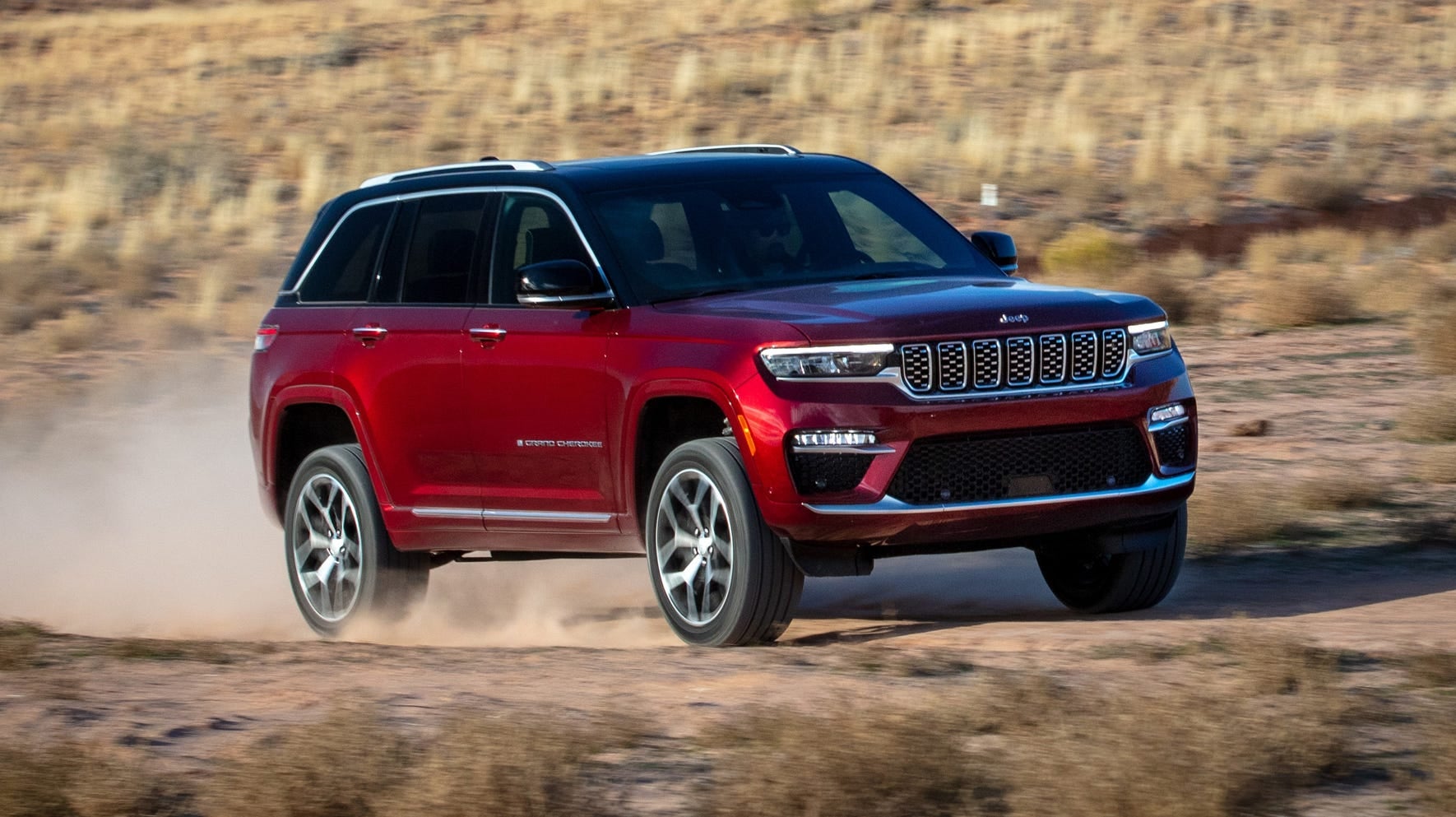
Jeep Grand Cherokee vs Toyota 4Runner: Honest Comparison for Midwest Buyers
Written by Brett Kues Sales Director | 25+ Years in Automotive Retail Pischke Motors – La Crosse, WI The Short Answer The Jeep Grand Cherokee and the Toyota 4Runner are both capable midsize SUVs — but they appeal to different priorities: 4Runner: Proven rugged reliability and resale strength Grand Cherokee: Better on-road comfort, modern tech, and a broader powertrain lineup For everyday driving mixed with winter conditions, Grand Cherokee often delivers better overall value. If extreme off-road use or long-term resale is the priority, the 4Runner retains an edge. 4 1. Ride Comfort & Daily Driving Jeep Grand Cherokee Smoother ride quality More refined suspension tuning Luxurious interior options Less road noise Toyota 4Runner Body-on-frame truck platform Firmer ride More noise at highway speeds Rugged, utilitarian feel If you spend most of your time on paved roads, the Grand Cherokee feels more composed. 2. Powertrain & Performance Feature Grand Cherokee 4Runner Base Engine V6 or V8 options 4.0L V6 Horsepower Higher in most trims Modest Transmission 8/9-speed autos 5/6-speed auto Towing Strong, competitive Good, reliable The Grand Cherokee offers: More modern engine choices Better on-road acceleration Smooth transmission shifts The 4Runner relies on an older 4.0L V6 that’s proven but dated. 3. Off-Road Capability Both are capable, but differently. 4Runner Body-on-frame strength Solid front/rear axles Standard rugged hardware in many trims Grand Cherokee Independent suspension in most trims Optional Quadra-Trac/Quadra-Drive systems Available air suspension for clearance adjustment For hardcore rock-crawling, the 4Runner has advantages. For balanced capability and comfort, the Grand Cherokee is stronger. 4. Technology & Interior Grand Cherokee Modern infotainment Premium materials at higher trims Better tech integration Bigger touchscreen options 4Runner Simple, utilitarian dashboard Less technology focus Few infotainment upgrades over recent years If interior comfort and tech matter, Grand Cherokee wins here clearly. 5. Safety & Convenience Both SUVs offer: Blind-spot monitoring Rear cross-traffic alert Adaptive cruise control (on equipped trims) Lane departure mitigation Grand Cherokee tends to include more advanced driver aids earlier in the trim lineup. 6. AWD & Winter Performance (Crucial for Wisconsin) Both perform well with: AWD/4WD systems Proper winter tires Differences: 4Runner: Traditional 4WD — strong in deep snow and trails Grand Cherokee: Available advanced AWD with air suspension — strong in varied winter conditions Winter tires still matter more than the badge. 7. Cost of Ownership & Resale 4Runner Strong resale value Reliable long-term reputation Minimal tech complexity Grand Cherokee Competitive ownership costs More features for the money Resale slightly lower than 4Runner historically 4Runner holds value extremely well, which matters if you plan to sell later. The Grand Cherokee’s value proposition is stronger on total feature content and comfort. 8. Pricing & Availability Recent market trends show: 4Runners often command a premium due to limited supply Grand Cherokees tend to have broader inventory and more competitive pricing If value today matters, the Grand Cherokee usually offers better pricing dynamics. What We See Locally 4Runner buyers most often choose it for resale value and rugged reputation Grand Cherokee buyers most often appreciate the daily comfort, tech, and feature value Both do well in Wisconsin driving conditions with AWD and winter tires Actual reliability between modern Grand Cherokees and 4Runners is closer than many assume. Real-world maintenance and how the vehicle was cared for matters more than the badge alone. Which Should You Choose? Choose the Toyota 4Runner if: You plan extreme off-road use You prioritize resale value over features You want a simple, proven drivetrain Choose the Jeep Grand Cherokee if: You want superior on-road comfort You value modern technology You want more powertrain options You desire more value per dollar Both are capable. The best choice depends on how you drive daily and what you value most. Frequently Asked Questions Is the 4Runner more reliable than the Grand Cherokee? The 4Runner has a long reputation for rugged reliability. Modern Grand Cherokees have improved and are competitive, especially when maintained properly. Which is better in snow? Both perform well with AWD/4WD and winter tires. Does the Grand Cherokee cost more to maintain? Costs can be similar; maintenance history and matching tires matter more than brand. Which holds value better? The 4Runner traditionally holds slightly higher resale value. Final Take The Grand Cherokee and 4Runner are both strong midsize SUVs — but they serve different priorities. Toyota’s strength is rugged resale reliability. Jeep’s strength is modern comfort, tech, and balanced capability. For Wisconsin drivers who split time between daily roads and seasonal weather, the Grand Cherokee is often the more complete choice — without sacrificing capability. About the Author Brett Kues is the Sales Director at Pischke Motors in La Crosse, Wisconsin, with over 25 years in automotive retail leadership. He evaluates real-world ownership trends, winter performance, and long-term reliability data to help customers make informed decisions.
How We Determine Trade-In Value (And Why Offers Differ)
Written by Brett Kues Sales Director | 25+ Years in Automotive Retail Pischke Motors – La Crosse, WI The Short Answer Trade-in value is not arbitrary. It is based on: Current wholesale market data Real auction results Reconditioning cost Local resale demand Vehicle condition and history Two dealers can offer different numbers — and both can be correct. The difference usually comes down to how they plan to resell the vehicle. What Actually Determines Trade Value? When we evaluate a trade, we look at five primary factors. 1. Current Auction Market Data Dealers don’t guess. We track: Regional auction sales Similar vehicles sold within the last 30–60 days Mileage-adjusted pricing Trim and equipment demand Your vehicle’s value is heavily influenced by what dealers are currently paying at wholesale auctions — not what someone is asking online. 2. Local Retail Demand A vehicle worth $20,000 in Arizona may not be worth the same in Wisconsin. We evaluate: AWD demand Winter-friendly vehicles Truck market strength Fuel economy trends Local buying patterns If we believe we can resell your vehicle quickly on our lot, the offer may be stronger. If we think it’s headed to auction, the number changes. 3. Condition & Reconditioning Cost Every trade requires preparation before resale. We inspect: Tires Brakes Suspension Windshield damage Body work Interior wear Service history If a vehicle needs: $1,200 in brakes $800 in tires $500 in body repair That impacts value. Retail-ready vehicles appraise higher. 4. Vehicle History & Title Status Clean history vehicles hold stronger value. Adjustments occur for: Accident history Structural damage Salvage or rebuilt branding Open recalls Excessive owner count Buyers shop vehicle history reports carefully. So do we. 5. Market Timing Values shift monthly. Factors that move trade values: Interest rates Fuel prices Seasonal demand Manufacturer incentives New model releases A truck in October may appraise differently than the same truck in March. Why Do Online Appraisals Differ? You may receive: A higher “estimated” value online A stronger offer from a national retailer A different number from multiple dealerships Here’s why: Some online tools provide optimistic ranges to generate leads Some buyers inflate numbers but reduce them after inspection Some dealers over-allow on trade but discount less on the new vehicle Total deal structure matters more than one line item. What We See in the Real World Common appraisal misunderstandings: Customers compare retail asking prices to trade value Private-sale pricing is confused with wholesale value Deferred maintenance isn’t factored into expectations Retail price is what a dealer sells it for after: Reconditioning Inspection Warranty support Marketing Financing cost Overhead Trade value reflects what the vehicle is worth before those steps. They are not the same number. How We Approach Trade Values at Pischke Our goal is straightforward: Use real market data Inspect thoroughly Explain adjustments clearly Show comparable units Be consistent We don’t inflate numbers to “win” the trade and then move figures elsewhere in the deal. Transparency builds long-term relationships. Frequently Asked Questions Why is my trade worth less than similar cars online? Online listings reflect retail pricing after reconditioning, not wholesale trade value. Does accident history automatically ruin value? Not always, but it does affect resale demand and pricing. Should I fix issues before trading? Minor cosmetic fixes can help. Major repairs often don’t return full value. Is it better to sell privately? Private sales may bring more money, but require time, risk, and independent transaction handling. Final Thought Trade value is not emotional. It’s math. Condition, market demand, timing, and resale strategy all determine the number. The best approach isn’t chasing the highest single appraisal — it’s understanding the entire deal structure. About the Author Brett Kues is the Sales Director at Pischke Motors in La Crosse, Wisconsin, with over 25 years in automotive retail leadership. He oversees vehicle acquisition, trade evaluations, and wholesale strategy with a focus on real-time market data and transparent valuation.
Dealer vs Private Seller: What’s the Real Risk When Buying a Used Car?
Written by Brett Kues Sales Director | 25+ Years in Automotive Retail Pischke Motors – La Crosse, WI The Short Answer When buying a used car in Wisconsin, you’re not just buying mileage — you’re buying how that vehicle survived salt, winter, and previous ownership habits. Rust, underbody condition, maintenance history, and AWD system health matter more here than they do in warm-weather states. If you don’t check properly, repairs can get expensive fast. 1. Rust & Undercarriage Condition (Wisconsin’s #1 Issue) Wisconsin roads are heavily treated with salt for months every year. That means corrosion is real. When inspecting a used vehicle, look for: Rust on frame rails Corrosion on brake lines Rusted suspension components Exhaust system decay Bubbling paint near wheel wells Rust under door seals Surface rust is normal. Structural rust is expensive. Always look underneath the vehicle — not just at the body panels. 2. Brake & Suspension Wear Midwest driving conditions accelerate wear on: Brake rotors Brake calipers Struts and shocks Control arms Ball joints Ask: When were brakes last replaced? Are there service records? Has the suspension ever been serviced? Uneven tire wear can signal alignment or suspension issues. 3. AWD System Health (If Equipped) In Wisconsin, many buyers choose AWD. But AWD systems require maintenance. Check: Fluid change history (transfer case / differential) Tire matching (mismatched tires can damage AWD systems) Warning lights Smooth engagement in snowy conditions AWD repairs are not cheap. Verify it’s functioning correctly. 4. Cold-Weather Reliability Winter stresses components differently. Make sure: Battery tests strong Heater works properly Defrosters function Remote start operates Block heater (if equipped) works A weak battery in July becomes a failure in January. 5. Maintenance Records Matter A well-documented vehicle is worth more. Look for: Oil change history Transmission service Brake service Cooling system maintenance Gaps in service history increase risk. 6. Title Status & Vehicle History Always verify: Clean title (no salvage or rebuilt branding) No flood damage No major accident history No open recalls In Wisconsin, title branding follows the vehicle permanently. If it’s branded, it affects resale and insurability. 7. Professional Inspection vs “Looks Good” A test drive is not an inspection. Many mechanical problems: Don’t show during a short drive Trigger after warm-up cycles Only appear under load If buying privately, invest in a pre-purchase inspection. If buying from a dealership, ask about their inspection process. 8. Pricing That’s “Too Good” If a vehicle is priced significantly below market: There’s usually a reason It may need reconditioning It may have prior damage It may be overdue for major service Market pricing exists for a reason. Savings upfront can become expense later. What We See in La Crosse Common issues we encounter on vehicles purchased privately: Brake lines heavily corroded Mismatched AWD tires Undisclosed prior body work Transmission shudder just starting Deferred maintenance totaling $2,000+ Most sellers aren’t dishonest. But most sellers also aren’t performing professional inspections before listing a vehicle. The buyer inherits whatever wasn’t addressed. Dealer vs Private in Wisconsin Buying privately: Lower upfront price Higher mechanical risk No warranty No structured recourse Buying from a reputable dealership: Inspection & reconditioning Warranty options Title verification Paperwork handled Post-sale accountability You are paying for reduced risk. Final Thought In Wisconsin, a used vehicle isn’t just evaluated by mileage. It’s evaluated by how it handled winter. If you’re confident inspecting rust, maintenance history, and mechanical condition, private sales can work. If you want inspection, documentation, and reduced long-term surprises, a licensed dealership provides structure and accountability. The smartest buyers focus less on sticker price — and more on total ownership risk. Frequently Asked Questions Is rust normal on used cars in Wisconsin? Surface rust is common. Structural or brake-line corrosion is a concern. Should I get an inspection when buying privately? Yes. A professional pre-purchase inspection is strongly recommended. Does AWD require maintenance? Yes. Transfer case and differential fluid changes are critical for long-term reliability. Are rebuilt titles common in Wisconsin? They exist. Always verify title status before purchasing. About the Author Brett Kues is the Sales Director at Pischke Motors in La Crosse, Wisconsin, with over 25 years in automotive retail leadership. He oversees used vehicle acquisition, inspection standards, and trade evaluations with a focus on protecting customers from avoidable long-term repair risk.
Dealer vs Private Seller: What’s the Real Risk When Buying a Used Car?
Written by Brett Kues Sales Director | 25+ Years in Automotive Retail Pischke Motors – La Crosse, WI Dealer vs Private Seller: The Short Answer If your only goal is the lowest upfront price, buying from a private seller may save you 10–15%. If you want inspection, reconditioning, warranty options, financing, and accountability after the sale, a reputable dealership significantly reduces your long-term risk. The real difference isn’t price. It’s who carries the risk after you drive away. Benefits of Buying from a Reputable Dealer Buying from a licensed dealership typically costs a little more. That extra cost exists for a reason. 1. Professional Inspection & Reconditioning Before a used vehicle is offered for sale at our dealership, it goes through a structured inspection process. That includes: Mechanical safety checks Brake and tire evaluation Fluid inspection Diagnostic scanning Cosmetic reconditioning Recall verification Dealerships invest real money into reconditioning vehicles before resale. Private sellers typically do not. When you buy from a dealer, you are not buying the car “as the last owner left it.” You’re buying a vehicle that has been reviewed and brought up to retail standard. That dramatically lowers the odds of immediate repair surprises. 2. Warranty & Post-Sale Protection Private vehicles are almost always sold as-is. Dealership vehicles often include: Limited short-term warranties Certified pre-owned warranty extensions Optional service contracts Clear disclosure of coverage terms If something fails shortly after purchase, you have a path forward. In a private sale, you don’t. 3. Legal Protections & Transparency Licensed dealers must follow: Federal Used Car Rule disclosure requirements State consumer protection laws Title and lien verification standards Written documentation requirements Private sellers are not held to the same standards. That added structure protects buyers from hidden damage, title problems, and undisclosed defects. 4. Vehicle History & Title Verification Dealerships typically: Pull vehicle history reports Verify title status Check for open recalls Avoid selling salvage or flood-damaged vehicles without disclosure In a private sale, verifying all of this becomes the buyer’s responsibility. If you don’t check it yourself, no one else will. 5. Financing, Trade-Ins & Paperwork Dealerships provide: On-site financing options Trade-in evaluations Tax and title processing DMV paperwork handling Private sales require: Full payment (often cash or cashier’s check) Separate financing arrangements Independent DMV visits Managing title transfer yourself Convenience is part of the value equation. Risks of Buying from a Private Seller Private-party purchases can absolutely work. But buyers should understand what they are taking on. 1. No Professional Inspection Most private sellers are not performing full mechanical inspections prior to sale. Common issues we see on privately purchased vehicles include: Worn brakes or tires Deferred maintenance Pending transmission issues Oil leaks Electrical faults Unresolved recalls The seller may not even know these issues exist. But once you buy it, they become yours. 2. Sold “As-Is” With very rare exceptions, private vehicles are sold without warranty. If the engine light comes on the next day, there is no dealership service manager to call. You assume 100% of the repair cost. 3. Limited Recourse If a major issue appears after a private sale, your options are limited to: Paying for repairs yourself Attempting legal action (which is difficult and expensive) There is no structured complaint path like you would have with a licensed dealership. 4. Fraud & Safety Concerns Private sales carry additional risks: Curbstoning (unlicensed dealers posing as private sellers) Salvage or rebuilt titles not clearly disclosed Odometer discrepancies Fake online listings Unsafe in-person meetings Large cash transactions These risks don’t make private sales bad — but they make them higher responsibility. What We See in the Real World At our dealership in La Crosse, we regularly evaluate vehicles customers purchased privately. Common scenarios: $2,000–$3,000 in deferred maintenance Undisclosed accident repairs Flood damage not initially apparent Transmission concerns that were “just starting” Most private sellers are not dishonest. They simply don’t perform professional retail-level preparation before selling. The buyer inherits whatever wasn’t addressed. So Which Should You Choose? Choose a reputable dealership if you value: Lower long-term risk Mechanical vetting Warranty protection Legal safeguards Financing convenience Trade-in simplicity Post-sale accountability Choose a private seller if: Upfront savings matter more than protection You are comfortable arranging inspections yourself You understand and accept mechanical risk You are prepared to handle paperwork independently There is no universally “right” answer. There is only informed versus uninformed risk. Why Buyers Choose Pischke When customers buy from us, they’re not just buying a vehicle. They’re getting: Market-based pricing Professional reconditioning Clear history reporting Transparent trade evaluations Financing options Full-service support after the sale A local dealership accountable to the community You can always buy cheaper. You can’t always buy safer. Frequently Asked Questions Is it safer to buy from a dealer? Generally, yes. Dealers operate under disclosure laws and often provide inspection and warranty protection. Why are private cars cheaper? Private sellers do not recondition vehicles, offer warranties, or carry dealership overhead costs, and even with all those things, a dealer price is often very similar to what the private party is asking. Can I finance a car from a private seller? You must arrange financing independently through a bank or credit union. Should I get a pre-purchase inspection in a private sale? Yes. It is strongly recommended. How do I know if there will be issues titleing the vehicle after purchase? From a private seller you don't, but a reputable dealer has already taken the steps required to assure a smooth registration process and often can take care of it for you right on the spot. About the Author Brett Kues is the Sales Director at Pischke Motors in La Crosse, Wisconsin, with over 25 years in automotive retail leadership. He oversees used vehicle acquisition, reconditioning standards, and trade evaluations with a focus on transparency, risk management, and long-term customer relationships.
Why Buy at Pischke? It’s More Than Just Price.
Written by Brett Kues Sales Director | 25+ Years in Automotive Retail Pischke Motors – La Crosse, WI Everyone says they have the “best deal.” Price matters. We compete aggressively. But if price were the only factor, everyone would just buy from the lowest ad they see online. That’s not how real buyers make decisions. Here’s what actually separates a strong dealership from a cheap listing. 1. The Best Deal Is More Than the Lowest Price A true deal includes: Fair market pricing Clean vehicle history Proper reconditioning Accurate disclosures Strong trade values Support after the sale The cheapest car is often the most expensive long-term decision. We price vehicles based on real market data — not bait-and-switch advertising. 2. Transparency Matters We believe in: Clear out-the-door numbers Honest lease explanations Real payment structures Straight answers on trade values No hidden add-ons If there’s a fee, you’ll see it. If there’s a rebate qualification, we explain it. Confusion is not a strategy. 3. Service After the Sale A dealership is not just a sales floor. It’s: Factory-trained technicians Warranty support Recall handling Maintenance planning Loaner coordination Long-term ownership guidance When you buy locally, you buy access. And access matters when something unexpected happens. 4. Reputation Isn’t Built Overnight We’ve been part of this market for decades. Reputation is built on: Standing behind vehicles Solving problems Answering the phone Making decisions when customers need help Any dealer can be friendly on delivery day. Reputation shows up when there’s an issue. 5. Strong Trade Values Your trade is part of your total deal. We evaluate trades using: Real-time market data Auction performance Local resale demand Condition-based adjustments We don’t inflate and then subtract. We structure real numbers from the start. 6. Full-Service Dealership Advantage Buying from a full-service dealership means: Sales Service Parts Warranty Financing Commercial and fleet support All under one roof. That continuity matters over a 5–10 year ownership cycle. So Why Buy at Pischke? Because the right dealership relationship: Reduces stress Protects your investment Saves time Provides accountability Delivers long-term value Price gets attention. Process earns trust. Service keeps customers. That’s the difference. About the Author Brett Kues is the Sales Director at Pischke Motors in La Crosse, Wisconsin, with over 25 years in automotive retail leadership. He works directly with customers, oversees trade evaluations, and manages dealership operations with a focus on transparency, accountability, and long-term relationships.
Jeep Quality Is Improving — What’s Changed and What Buyers Should Know
Written by Brett Kues Sales Director | 25+ Years in Automotive Retail Pischke Motors – La Crosse, WI Jeep has never struggled with identity. Capability, off-road credibility, and brand loyalty have always been strong. Where questions have existed historically is quality consistency — particularly during heavy technology transitions in the mid-2010s. Since 2020, Jeep has focused heavily on tightening engineering standards, improving supplier quality, and modernizing core platforms. Here’s what has actually changed. 1. Newer Platforms, Better Foundations The latest generations of the Jeep Grand Cherokee and Jeep Wrangler are built on significantly improved architectures. Improvements include: Updated electrical systems to reduce module failures Stronger chassis rigidity Improved transmission pairings Better interior fit and finish Reduced wind and road noise Platform maturity matters. Early-cycle bugs get corrected. The current generation reflects those corrections. 2. Powertrain Refinement Jeep’s recent focus has been simplifying and strengthening core powertrains: The 3.6L Pentastar V6 continues to be one of the most durable engines in its class. The 8-speed automatic transmission has proven to be smoother and more reliable than older combinations. Hybrid 4xe systems pair electric torque with proven gas engines rather than replacing them entirely. The result: better drivability and fewer early-life complaints compared to prior cycles. 3. Electrical & Technology Stabilization A major source of past dissatisfaction across many brands — not just Jeep — was rapid infotainment and electronic expansion. Recent updates include: More stable software platforms Faster over-the-air update capability Fewer connectivity-related service visits Simplified user interfaces Modern vehicles are rolling computers. Stability improvements here make a significant difference in perceived quality. 4. Manufacturing Discipline Jeep production facilities have tightened quality audits and supplier oversight. That translates to: Improved panel alignment Reduced interior rattles Better long-term material durability More consistent assembly quality These are not headline-grabbing improvements — but they are the kind that show up five winters later. How Jeep Compares Today Category Mid-2010s Reputation 2023–2025 Models Electrical complaints Elevated Significantly reduced Transmission refinement Inconsistent Strong Interior quality Average Competitive Off-road durability Excellent Excellent Capability was never the issue. Consistency was. Consistency is improving. What We See at the Store Level From a sales and service perspective: Fewer repeat electronic complaints on current-generation models Strong resale demand for Grand Cherokee and Wrangler 4xe adoption increasing without major durability trends emerging Improved owner satisfaction compared to previous cycles That matters more than outdated internet commentary. Is Jeep Reliable in 2025? Short answer: Modern Jeep models are stronger, more refined, and more consistent than their reputation suggests. No manufacturer is perfect. But today’s Jeep lineup reflects meaningful engineering corrections and platform maturity. Capability is still the headline. Quality is catching up. About the Author Brett Kues is the Sales Director at Pischke Motors in La Crosse, Wisconsin, with over 25 years in automotive retail leadership. He works directly with manufacturer representatives, reviews warranty and service trends, and evaluates long-term ownership performance across Jeep and other brands. His focus is simple: sell vehicles that perform in real Midwest conditions and stand behind them long after the sale.
La Crosse’s Best Selection of Used Trucks — All Makes, All Muscle, All Ready to Work
At Pischke Motors of La Crosse, we know trucks—and not just Ram. Whether you’re after a dependable Chevy Silverado, a rugged Ford F-150, a Toyota Tacoma with off-road edge, or a budget-friendly GMC Sierra, we’ve got your next truck right here on the lot. Why? Because La Crosse works hard—and so do our trucks. Shop Smarter with a Wide Range of Used Trucks From half-tons to heavy-duty diesels, our inventory is constantly rotating with a wide selection of pre-owned trucks, including: Ram 1500, 2500 & 3500 Ford F-150, Super Duty Chevrolet Silverado 1500/2500HD GMC Sierra Toyota Tundra & Tacoma Nissan Frontier & Titan All trucks are inspected, reconditioned, and Wisconsin-road ready—with full CARFAX® reports available for peace of mind. Certified & Value-Priced Options Available Looking for something with extra warranty protection? We also offer: Ram Certified Pre-Owned trucks with 7-Year/100,000-Mile Powertrain Coverage Nissan CPO & CPO Select Trucks, including non-Nissan models with 6-Month/6,000-Mile warranties Or if you’re just looking to keep costs down, we’ve got value-priced trucks under $25,000 that are perfect for hauling, towing, or weekend projects. Why Buy Your Used Truck from Pischke Motors? Fair Credit Financing for All – We comply fully with Wisconsin Fair Credit laws and ensure all customers are treated equitably regardless of credit tier Form 8300 Compliant – All cash purchases over $10,000 are reported properly and transparently in accordance with federal law No misleading claims, gimmicks, or hidden fees – Just honest truck deals from your local team. Trade In & Trade Up Have a vehicle to trade? We offer top-dollar trade values on trucks, SUVs, and cars. Bring us your vehicle—even if you don’t buy from us—and we’ll give you a no-obligation appraisal on the spot. Test Drive Today — Inventory Moves Fast Used trucks don’t sit long in La Crosse, especially when they’re priced to move. Visit Pischke Motors of La Crosse today to explore our full selection of pre-owned trucks—all makes, all models, all backed by a name you can trust. 📍 Pischke Motors of La Crosse 📞 (608) 791-3000 🌐 www.pischkemotorsoflacrosse.com 🕒 Open Monday–Saturday | Walk-ins welcome! Need power without the new price tag? Pischke’s got your truck.