




Written by Brett Kues Sales Director | 25+ Years in Automotive Retail Pischke Motors – La Crosse, WI The Short Answer Brand reputation matters. But inspection standards matter more. A well-maintained vehicle from any mainstream manufacturer is usually more reliable than a neglected vehicle from the “most reliable” brand. The difference isn’t just the badge. It’s the condition. 1. Reputation Is Historical. Condition Is Current. Brand reputation is built over years — sometimes decades. But when you’re buying a used vehicle, you’re not buying the brand’s past. You’re buying: How this specific vehicle was maintained How it was driven Whether it was properly inspected Whether problems were corrected before resale Condition determines ownership experience more than headlines. 2. A Good Vehicle Can Be Ruined by Neglect Even highly rated brands can develop problems when: Fluid changes are skipped Brakes are ignored Tires are mismatched on AWD Warning lights are dismissed Conversely, a vehicle with consistent maintenance and documented inspection can outperform its reputation. Maintenance discipline levels the field. 3. What a Real Inspection Should Include A meaningful inspection should evaluate: Brake thickness and condition Tire matching and tread depth Suspension wear Steering components Fluid levels and condition Diagnostic scan for stored codes Recall status Undercarriage rust (especially in Wisconsin) Anything less is surface-level. Inspection standards reduce uncertainty. 4. Why This Matters in the Midwest Salt, winter cold starts, and road conditions accelerate wear. Vehicles that look clean on top can have: Corroded brake lines Rusted frame components Suspension fatigue Underbody damage Midwest inspection standards must go beyond cosmetic appearance. Condition underneath tells the real story. 5. Why Inspection Impacts Long-Term Cost Ownership cost increases when: Problems are discovered after purchase Deferred maintenance becomes urgent Safety items require immediate repair A properly inspected vehicle: Reduces surprise expenses Increases predictability Supports resale value Builds ownership confidence Inspection reduces financial volatility. 6. Reliability Headlines Don’t Inspect Cars National rankings evaluate brand trends. They do not inspect individual vehicles. Two identical models can have very different ownership outcomes depending on: Service history Owner habits Pre-sale preparation Inspection bridges the gap between reputation and reality. 7. What We Prioritize at Pischke Our focus is not simply listing vehicles. It’s preparing them. That means: Structured inspection process Market-based pricing Clear documentation Honest disclosure Service accountability We believe predictability builds trust. Inspection standards are how that predictability starts. Final Take Brand reputation influences perception. Inspection standards influence outcome. In 2026, most major manufacturers build capable vehicles. The real differentiator is how thoroughly the vehicle is evaluated before it reaches the next owner. Condition over assumption. Process over perception. That’s how long-term confidence is built. About the Author Brett Kues is the Sales Director at Pischke Motors in La Crosse, Wisconsin, with over 25 years in automotive retail leadership. He oversees used vehicle acquisition and inspection standards with a focus on minimizing long-term ownership risk through structured evaluation.
All
Chrysler Models
Jeep Models Pischke Motors of La Crosse
Ram Models
La Crescent Chrysler Dealer
La Crescent Chrysler Service
La Crescent Used Cars
Pischke Motors of La Crosse, Inc. Service
Pischke Ram Models
Dodge Models in La Crosse
Jeep Reliability
Preowned Jeeps
Food Places in La Crosse
Things to do in La Crosse
Chrysler Pacifica
Breakfast in La Crosse
How to Spot a Well-Maintained Used Vehicle in 10 Minutes
Written by Brett Kues Sales Director | 25+ Years in Automotive Retail Pischke Motors – La Crosse, WI The Short Answer You don’t need to be a mechanic to identify whether a used vehicle has been cared for. In ten minutes, you can evaluate: Maintenance discipline Mechanical warning signs Interior wear patterns Undercarriage condition Owner habits Well-maintained vehicles leave clues. Neglected vehicles do too. 1. Start With the Interior Open the driver’s door. Look at: Steering wheel wear Seat bolsters Pedal condition Buttons and switches Excessive wear on low-mileage vehicles can indicate heavy use or inconsistent care. A clean interior usually reflects consistent ownership habits. People who maintain their cabin often maintain their engine. 2. Check the Tires (They Tell the Truth) Tires reveal more than almost anything else. Look for: Even tread wear Matching brand and model Proper tread depth No sidewall cracking Mismatched tires on AWD vehicles are a red flag. Uneven wear may signal suspension or alignment issues. If someone maintained their tires, they likely maintained other systems too. 3. Open the Hood You don’t need to diagnose anything. Just observe: Clean but not freshly pressure-washed engine bay No visible oil leaks No corrosion on battery terminals No strong burning smells A lightly dusty engine bay is normal. A wet, oily, or heavily corroded one isn’t. 4. Look Under the Vehicle (Especially in Wisconsin) In Midwest climates, rust inspection matters. Check: Frame rails Brake lines Suspension components Exhaust system Surface rust is common. Heavy scaling, flaking, or rusted brake lines are concerns. Salt tells the truth over time. 5. Review Service History Ask for: Oil change records Brake service receipts Transmission fluid history Cooling system service Consistent documentation is a strong signal. Gaps increase uncertainty. Even digital service history is valuable. 6. Listen During the Test Drive Turn off the radio. Pay attention to: Transmission smoothness Brake vibration Steering pull Suspension clunks Unusual whining noises Modern vehicles should drive smoothly. Hesitation or shudder under acceleration should be evaluated. 7. Warning Lights Matter No warning lights should be ignored. Even if a light is off, ask: Has it been on recently? Has any work been done to clear codes? A professional scan tool can reveal stored history. Transparency matters here. 8. Does the Vehicle Feel “Cared For”? This sounds subjective — but it’s real. Well-maintained vehicles: Feel tight Shift smoothly Brake evenly Idle consistently Neglected vehicles often feel unsettled. Your instincts are useful when combined with inspection. What We See in La Crosse Common issues in poorly maintained vehicles: Skipped fluid service Rusted brake components Mismatched tires on AWD Delayed maintenance before resale Quick cosmetic clean-ups hiding mechanical neglect Most owners aren’t dishonest. They simply defer maintenance before selling. The next owner inherits it. Why Professional Inspection Still Matters Even if a vehicle looks good in ten minutes, a professional inspection goes deeper: Diagnostic scan Brake measurement Fluid condition Suspension play Recall verification A well-maintained vehicle should pass inspection confidently. That’s where dealership standards matter. Final Take You can learn a lot in ten minutes. Tires, service history, interior wear, and underbody condition tell a story. The goal isn’t perfection. It’s predictability. A vehicle that’s been maintained properly will show it. And when inspection standards are documented, long-term ownership becomes far more confident. About the Author Brett Kues is the Sales Director at Pischke Motors in La Crosse, Wisconsin, with over 25 years in automotive retail leadership. He oversees used vehicle inspection standards and acquisition strategy with a focus on protecting customers from avoidable mechanical risk.
Why the Cheapest Vehicle Often Costs the Most Long-Term
Written by Brett Kues Sales Director | 25+ Years in Automotive Retail Pischke Motors – La Crosse, WI The Short Answer The lowest advertised price is rarely the lowest total cost of ownership. Vehicles are discounted for reasons. Sometimes it’s harmless. Sometimes it’s deferred maintenance, hidden damage, or mechanical risk. Smart buyers evaluate total ownership cost — not just the sticker. 1. Deferred Maintenance Is Invisible — Until It Isn’t A vehicle priced below market often needs: Brakes Tires Suspension work Transmission service Cooling system maintenance These costs don’t show up in the ad. They show up 30–90 days later. The difference between a $500 cheaper vehicle and a $2,000 repair bill becomes clear quickly. 2. Reconditioning Costs Money Professional reconditioning includes: Full inspection Diagnostic scan Fluid service Brake measurement Tire inspection Safety check Dealerships invest real money into bringing vehicles up to retail standards. Private sellers typically do not. If a vehicle is significantly cheaper, ask what wasn’t done. 3. Title History Matters Low price can sometimes signal: Salvage branding Prior structural damage Flood exposure Excessive owner history These factors impact: Insurance Resale value Financing Long-term reliability Discounted vehicles may carry long-term penalties. 4. Cheap Up Front vs Expensive Later Ownership cost is a combination of: Purchase price Depreciation Maintenance Fuel Repairs Resale value A slightly higher upfront investment in a properly inspected, well-maintained vehicle often reduces long-term financial risk. The cheapest purchase is not always the cheapest ownership. 5. Warranty & Accountability When you buy the lowest-priced listing from an unknown source: There may be no warranty There may be no recourse There may be no relationship When you buy from a dealership that stands behind the vehicle: Inspection standards exist Warranty options are available Service history can be documented Management is accessible Accountability has value. 6. What We See in the Real World Common scenarios from heavily discounted vehicles: Transmission shudder just beginning Brakes below safe thickness Tires mismatched on AWD systems Hidden rust underneath Minor collision repairs not obvious in photos Most sellers aren’t malicious. But they also aren’t preparing vehicles to professional standards. The buyer inherits the gap. 7. Smart Buyers Ask Better Questions Instead of asking: “What’s your lowest price?” Ask: Has this vehicle been inspected? What reconditioning was performed? Is there documented service history? What warranty options exist? Why is this priced below market? Price without context is incomplete information. Why This Matters in 2026 Market transparency is higher than ever. Pricing tools make it easy to sort by lowest number. But algorithms don’t evaluate: Brake thickness Fluid quality Suspension wear Maintenance discipline Human inspection still matters. Where Pischke Focuses At Pischke, we emphasize: Market-based pricing Documented inspection standards Transparent trade evaluations Clear lease and finance explanations Long-term service relationships Our goal isn’t to win on the lowest headline number. It’s to win on predictability. Predictability reduces stress. Final Take The cheapest vehicle can be the most expensive mistake. A properly inspected, fairly priced vehicle supported by a responsive dealership often costs less over five years than the lowest listing online. Smart ownership begins before you sign. Look beyond the price. About the Author Brett Kues is the Sales Director at Pischke Motors in La Crosse, Wisconsin, with over 25 years in automotive retail leadership. He oversees inspection standards, market pricing strategy, and long-term ownership performance with a focus on transparency and accountability.
What Does It Really Cost to Own a Jeep in 2026?
Written by Brett Kues Sales Director | 25+ Years in Automotive Retail Pischke Motors – La Crosse, WI The Short Answer Modern Jeep ownership costs are competitive with other midsize SUVs and trucks — especially when maintained properly. The biggest cost factors are: Depreciation Maintenance discipline Driving style Tire selection Service consistency Major unexpected failures are far less common in current-generation models than past internet narratives suggest. 1. Depreciation: The Largest Ownership Expense Depreciation is the single biggest cost of owning any vehicle. Models like the Jeep Grand Cherokee and Jeep Wrangler continue to show strong resale demand — especially Wranglers. Wrangler historically retains value exceptionally well. Grand Cherokee resale has stabilized significantly in newer generations. Depreciation gaps between Jeep and competitors are smaller today than many assume. 2. Routine Maintenance Costs Typical maintenance includes: Oil changes (synthetic intervals) Brake service Tire replacement Battery replacement Fluid services Modern Jeeps benefit from: Improved transmission durability Refined Pentastar V6 longevity Updated electrical systems Maintenance costs rise when service is deferred — not because of the badge. 3. Fuel Costs Fuel economy has improved across the lineup. Grand Cherokee: Competitive efficiency in V6 trims Improved tuning in newer platforms Wrangler: Designed for capability first Efficiency secondary 4xe hybrid models offer reduced fuel usage for drivers with short daily commutes. Fuel cost depends heavily on driving habits and trim choice. 4. Repair Frequency Older perception often centers on: Mid-2010s electrical complaints Early infotainment software issues Modern platforms show: Improved system stability Fewer repeat electronic concerns Better warranty tracking From a dealership service perspective, 2020+ Jeep platforms demonstrate more predictable maintenance patterns. 5. What Actually Drives Jeep Ownership Cost Higher? In real-world Midwest conditions, cost increases most often come from: Aggressive off-road use Oversized tire modifications Ignored differential service Skipped transmission fluid intervals Mismatched tires on AWD systems Capability-focused vehicles require capability-focused maintenance. When properly maintained, ownership cost becomes predictable. 6. Insurance & Repair Costs Insurance rates are influenced by: Vehicle value Safety systems Driver profile Repair costs are similar to comparable midsize SUVs in the segment. Parts availability and technician familiarity remain strong due to Jeep’s widespread market presence. Why Buying From the Right Dealer Impacts Cost Ownership cost stability improves when: The vehicle is properly inspected before sale Maintenance schedules are explained clearly Recalls are handled promptly Warranty claims are managed efficiently At Pischke, we focus on: Transparent inspection standards Clear maintenance guidance Honest service recommendations Long-term customer relationships Cost predictability builds trust. The Real Question Instead of asking: “Is Jeep expensive to own?” Ask: “Is this Jeep properly maintained, properly inspected, and supported by a dealership that will stand behind it?” That determines ownership experience more than brand reputation. Final Take In 2026, modern Jeep ownership costs are competitive within the midsize SUV and off-road segment. Reliability improvements have stabilized long-term repair frequency. Capability comes with responsibility — but when maintained correctly, Jeep ownership is both durable and financially predictable. The badge matters. The support behind it matters more. About the Author Brett Kues is the Sales Director at Pischke Motors in La Crosse, Wisconsin, with over 25 years in automotive retail leadership. He oversees inspection standards, service patterns, and long-term ownership performance across Jeep platforms with a focus on cost predictability and durability.
What Actually Makes a Vehicle Reliable in 2026?
Written by Brett Kues Sales Director | 25+ Years in Automotive Retail Pischke Motors – La Crosse, WI The Short Answer In 2026, reliability is no longer just about brand. It’s about: Platform maturity Powertrain refinement Software stability Maintenance discipline Dealer support Most major manufacturers build durable vehicles today. The difference is in execution and ownership. Reliability Isn’t What It Was in 2005 Fifteen years ago, reliability meant: Engine longevity Transmission durability Rust protection Today, reliability includes: Software updates Infotainment stability Sensor calibration Hybrid system integration Electrical system consistency Vehicles are computers on wheels. Modern reliability is mechanical and digital. Platform Maturity Matters More Than Brand Every manufacturer goes through: New platform launch issues Early software glitches Supplier adjustments After 2–3 years: Problems stabilize Updates are implemented Warranty data improves A 2026 model built on a mature platform is significantly more reliable than a first-year redesign — regardless of badge. Powertrain Refinement > Badge Reputation In current models like the Nissan Rogue and Jeep Grand Cherokee: Updated transmissions Refined engine calibration Improved cooling systems Better torque management These are quiet engineering changes that dramatically affect durability. Reputation lags engineering reality by years. Software Stability Is the New Reliability Metric Modern vehicles rely on: 20+ control modules Over-the-air updates Integrated driver assistance systems Stability of software ecosystems now matters as much as mechanical components. Manufacturers who refine digital systems improve reliability perception significantly. Recent Jeep and Nissan updates reflect this trend. Maintenance Discipline Still Wins No brand can survive: Ignored fluid changes Mismatched AWD tires Deferred brake service Skipped diagnostics Modern vehicles are engineered to last. But maintenance discipline determines whether they do. Reliability is shared responsibility. Where the Dealership Comes In Reliability doesn’t end at purchase. It depends on: Proper inspection before sale Transparent service recommendations Recall management Warranty support Correct software updates A vehicle bought from a dealership that stands behind it has a different ownership trajectory than one bought without accountability. That’s not marketing. That’s math. Why This Matters for Buyers in 2026 Consumers still ask: “Which brand is most reliable?” The better question is: “Which vehicle platform is mature, properly maintained, and supported by a responsive dealership?” Modern Jeep and Nissan products are far more refined than outdated online narratives suggest. The real reliability advantage comes from: Platform maturity Updated engineering Transparent dealership support Final Take Reliability in 2026 isn’t about which badge had the best reputation in 2012. It’s about: Engineering evolution Software stability Ownership habits Dealer accountability When those factors align, long-term durability follows. That’s the conversation worth having.
Why Buying Local Still Matters in 2026 — And Why It Matters at Pischke
Written by Brett Kues Sales Director | 25+ Years in Automotive Retail Pischke Motors – La Crosse, WI The Short Answer In today’s market, almost every dealer can advertise a competitive price. What separates dealerships is not price. It’s accountability after the sale. Buying local isn’t about loyalty slogans. It’s about long-term ownership support. 1. When Something Goes Wrong, Proximity Matters Even reliable vehicles can experience: Software updates Warranty repairs Recalls Unexpected component failures When you purchase locally: You have direct service access You have relationship history You have management accountability You aren’t “just a deal number” If you buy 90 minutes away, service convenience changes immediately. Distance reduces leverage. 2. Real Market Pricing Is Transparent in 2026 The internet eliminated mystery pricing. If a vehicle appears $800 cheaper in another city, ask: Are rebates structured differently? Are fees higher? Is trade value lower? Is the vehicle identical in equipment? Often, the “cheaper” deal shifts numbers elsewhere. Total transaction matters more than headline price. 3. Long-Term Service Access Protects Value Vehicles maintained at: Factory-trained service departments With documented history Using correct parts Hold stronger resale value. When your service history lives locally, that helps at trade time. Buying from the same store that services your vehicle strengthens the ownership cycle. 4. Relationship > Transaction Large metro dealerships focus on volume. Local dealerships focus on retention. When customers buy from Pischke, they’re not buying a one-time transaction. They’re building: A service relationship A trade relationship A lease return relationship A referral relationship That continuity has real financial value. 5. Trust Is Built on Transparency At Pischke, we focus on: Clear lease breakdowns Market-based trade evaluations Professional inspection standards Straightforward pricing Written disclosures Trust is not created in advertising. It’s built in clarity. 6. Reliability Is Only Half the Equation Modern Jeep and Nissan vehicles are more reliable than past reputation suggests. But no vehicle is immune to: Weather exposure Wear and tear Software updates Recalls The difference isn’t just the brand. It’s how the dealership responds when support is needed. What We See in La Crosse Customers who buy locally tend to: Return for service Trade back into the dealership Experience smoother warranty handling Receive faster problem resolution Customers who buy out-of-market often return for service — but without established relationship leverage. That difference shows up when something urgent happens. Final Take In 2026, price transparency exists everywhere. Reliability has improved across brands. What still separates dealerships is accountability. Buying local isn’t about convenience. It’s about support, service access, and long-term ownership protection. That’s where Pischke focuses.
Understanding Lease Ads in Wisconsin: What “Due at Signing” Really Means
Written by Brett Kues Sales Director | 25+ Years in Automotive Retail Pischke Motors – La Crosse, WI The Short Answer Lease ads can look confusing because they are structured under strict federal and state disclosure laws. When you see: “$399 per month, $2,000 due at signing” That does not mean $399 is your total cost. It means part of the lease cost is paid upfront. Understanding what’s included — and what isn’t — matters. Why Lease Ads Look Complicated Lease advertising is governed by: Federal Truth in Lending regulations Consumer leasing disclosure laws State-specific advertising rules If a dealer advertises a monthly payment, they must also disclose: Down payment Term length Mileage allowance Security deposit (if any) Taxes and fees Total due at signing Those disclosures often appear in fine print — not because dealers want to hide them, but because the law requires specific formatting. What “Due at Signing” Typically Includes “Due at signing” usually includes: First month’s payment Down payment (capitalized cost reduction) Acquisition fee Registration/title fees Dealer service fee Taxes (depending on structure) Not all lease ads are structured the same way. Two $399 leases can have very different upfront requirements. Sign-and-Drive vs Down Payment Lease Down Payment Lease Lower monthly payment Higher upfront cash Reduces amount financed Sign-and-Drive Lease Higher monthly payment Minimal upfront cash More rolled into payment Neither is “better.” It depends on whether you prefer lower monthly cost or lower upfront out-of-pocket expense. Mileage Allowance Matters Most advertised leases are based on: 10,000 miles per year 12,000 miles per year Exceeding mileage limits results in overage charges. Always confirm: Annual mileage allowance Per-mile penalty Lease-end options Driving habits should match lease structure. Why Wisconsin and Minnesota Ads May Look Different In some neighboring markets: Dealers may advertise payments including conditional rebates Some states allow different rebate structures in advertising In Wisconsin, dealers must follow state-compliant disclosure standards. This can make one state’s ad look cheaper — even if the real transaction isn’t. Advertising format does not always reflect total cost difference. What Determines Your Actual Lease Payment Your true lease payment depends on: Vehicle price Residual value Money factor (interest rate equivalent) Term length Mileage allowance Credit qualification Rebates you personally qualify for The advertised payment assumes: Specific credit tier Specific term Specific structure Specific model Individual results vary. Why Transparency Matters Lease confusion usually comes from: Not understanding what’s included upfront Comparing ads structured differently Not knowing rebate qualifications Ignoring mileage limits A transparent lease explanation should clearly outline: Total due at signing Total of payments Purchase option at lease end Mileage terms If those aren’t explained clearly, ask. Common Lease Questions Is a lease cheaper than buying? Monthly payments are often lower, but you do not build ownership equity. What happens at lease end? You can: Return the vehicle Buy it for the residual value Lease another vehicle Is money down required? No. You can structure a lease with minimal upfront cash. Is leasing good in Wisconsin? Leasing can work well for drivers who: Stay within mileage limits Prefer driving newer vehicles Want lower monthly payments What We Do at Pischke When structuring leases, we: Show multiple payment options Explain money down vs sign-and-drive Clarify rebate eligibility Break down mileage structure Provide clear written disclosures The goal isn’t to create the lowest advertised number. It’s to create a lease structure that fits your real driving habits and budget. Final Thought Lease ads are not tricks. They are regulated financial disclosures presented in a condensed format. Once you understand: What’s due upfront What’s included in payment What happens at lease end Leasing becomes straightforward. Clarity removes confusion. About the Author Brett Kues is the Sales Director at Pischke Motors in La Crosse, Wisconsin, with over 25 years in automotive retail leadership. He oversees lease structuring, compliance standards, and customer disclosures with a focus on clarity and long-term financial transparency.
How We Determine Trade-In Value (And Why Offers Differ)
Written by Brett Kues Sales Director | 25+ Years in Automotive Retail Pischke Motors – La Crosse, WI The Short Answer Trade-in value is not arbitrary. It is based on: Current wholesale market data Real auction results Reconditioning cost Local resale demand Vehicle condition and history Two dealers can offer different numbers — and both can be correct. The difference usually comes down to how they plan to resell the vehicle. What Actually Determines Trade Value? When we evaluate a trade, we look at five primary factors. 1. Current Auction Market Data Dealers don’t guess. We track: Regional auction sales Similar vehicles sold within the last 30–60 days Mileage-adjusted pricing Trim and equipment demand Your vehicle’s value is heavily influenced by what dealers are currently paying at wholesale auctions — not what someone is asking online. 2. Local Retail Demand A vehicle worth $20,000 in Arizona may not be worth the same in Wisconsin. We evaluate: AWD demand Winter-friendly vehicles Truck market strength Fuel economy trends Local buying patterns If we believe we can resell your vehicle quickly on our lot, the offer may be stronger. If we think it’s headed to auction, the number changes. 3. Condition & Reconditioning Cost Every trade requires preparation before resale. We inspect: Tires Brakes Suspension Windshield damage Body work Interior wear Service history If a vehicle needs: $1,200 in brakes $800 in tires $500 in body repair That impacts value. Retail-ready vehicles appraise higher. 4. Vehicle History & Title Status Clean history vehicles hold stronger value. Adjustments occur for: Accident history Structural damage Salvage or rebuilt branding Open recalls Excessive owner count Buyers shop vehicle history reports carefully. So do we. 5. Market Timing Values shift monthly. Factors that move trade values: Interest rates Fuel prices Seasonal demand Manufacturer incentives New model releases A truck in October may appraise differently than the same truck in March. Why Do Online Appraisals Differ? You may receive: A higher “estimated” value online A stronger offer from a national retailer A different number from multiple dealerships Here’s why: Some online tools provide optimistic ranges to generate leads Some buyers inflate numbers but reduce them after inspection Some dealers over-allow on trade but discount less on the new vehicle Total deal structure matters more than one line item. What We See in the Real World Common appraisal misunderstandings: Customers compare retail asking prices to trade value Private-sale pricing is confused with wholesale value Deferred maintenance isn’t factored into expectations Retail price is what a dealer sells it for after: Reconditioning Inspection Warranty support Marketing Financing cost Overhead Trade value reflects what the vehicle is worth before those steps. They are not the same number. How We Approach Trade Values at Pischke Our goal is straightforward: Use real market data Inspect thoroughly Explain adjustments clearly Show comparable units Be consistent We don’t inflate numbers to “win” the trade and then move figures elsewhere in the deal. Transparency builds long-term relationships. Frequently Asked Questions Why is my trade worth less than similar cars online? Online listings reflect retail pricing after reconditioning, not wholesale trade value. Does accident history automatically ruin value? Not always, but it does affect resale demand and pricing. Should I fix issues before trading? Minor cosmetic fixes can help. Major repairs often don’t return full value. Is it better to sell privately? Private sales may bring more money, but require time, risk, and independent transaction handling. Final Thought Trade value is not emotional. It’s math. Condition, market demand, timing, and resale strategy all determine the number. The best approach isn’t chasing the highest single appraisal — it’s understanding the entire deal structure. About the Author Brett Kues is the Sales Director at Pischke Motors in La Crosse, Wisconsin, with over 25 years in automotive retail leadership. He oversees vehicle acquisition, trade evaluations, and wholesale strategy with a focus on real-time market data and transparent valuation.
Dealer vs Private Seller: What’s the Real Risk When Buying a Used Car?
Written by Brett Kues Sales Director | 25+ Years in Automotive Retail Pischke Motors – La Crosse, WI The Short Answer When buying a used car in Wisconsin, you’re not just buying mileage — you’re buying how that vehicle survived salt, winter, and previous ownership habits. Rust, underbody condition, maintenance history, and AWD system health matter more here than they do in warm-weather states. If you don’t check properly, repairs can get expensive fast. 1. Rust & Undercarriage Condition (Wisconsin’s #1 Issue) Wisconsin roads are heavily treated with salt for months every year. That means corrosion is real. When inspecting a used vehicle, look for: Rust on frame rails Corrosion on brake lines Rusted suspension components Exhaust system decay Bubbling paint near wheel wells Rust under door seals Surface rust is normal. Structural rust is expensive. Always look underneath the vehicle — not just at the body panels. 2. Brake & Suspension Wear Midwest driving conditions accelerate wear on: Brake rotors Brake calipers Struts and shocks Control arms Ball joints Ask: When were brakes last replaced? Are there service records? Has the suspension ever been serviced? Uneven tire wear can signal alignment or suspension issues. 3. AWD System Health (If Equipped) In Wisconsin, many buyers choose AWD. But AWD systems require maintenance. Check: Fluid change history (transfer case / differential) Tire matching (mismatched tires can damage AWD systems) Warning lights Smooth engagement in snowy conditions AWD repairs are not cheap. Verify it’s functioning correctly. 4. Cold-Weather Reliability Winter stresses components differently. Make sure: Battery tests strong Heater works properly Defrosters function Remote start operates Block heater (if equipped) works A weak battery in July becomes a failure in January. 5. Maintenance Records Matter A well-documented vehicle is worth more. Look for: Oil change history Transmission service Brake service Cooling system maintenance Gaps in service history increase risk. 6. Title Status & Vehicle History Always verify: Clean title (no salvage or rebuilt branding) No flood damage No major accident history No open recalls In Wisconsin, title branding follows the vehicle permanently. If it’s branded, it affects resale and insurability. 7. Professional Inspection vs “Looks Good” A test drive is not an inspection. Many mechanical problems: Don’t show during a short drive Trigger after warm-up cycles Only appear under load If buying privately, invest in a pre-purchase inspection. If buying from a dealership, ask about their inspection process. 8. Pricing That’s “Too Good” If a vehicle is priced significantly below market: There’s usually a reason It may need reconditioning It may have prior damage It may be overdue for major service Market pricing exists for a reason. Savings upfront can become expense later. What We See in La Crosse Common issues we encounter on vehicles purchased privately: Brake lines heavily corroded Mismatched AWD tires Undisclosed prior body work Transmission shudder just starting Deferred maintenance totaling $2,000+ Most sellers aren’t dishonest. But most sellers also aren’t performing professional inspections before listing a vehicle. The buyer inherits whatever wasn’t addressed. Dealer vs Private in Wisconsin Buying privately: Lower upfront price Higher mechanical risk No warranty No structured recourse Buying from a reputable dealership: Inspection & reconditioning Warranty options Title verification Paperwork handled Post-sale accountability You are paying for reduced risk. Final Thought In Wisconsin, a used vehicle isn’t just evaluated by mileage. It’s evaluated by how it handled winter. If you’re confident inspecting rust, maintenance history, and mechanical condition, private sales can work. If you want inspection, documentation, and reduced long-term surprises, a licensed dealership provides structure and accountability. The smartest buyers focus less on sticker price — and more on total ownership risk. Frequently Asked Questions Is rust normal on used cars in Wisconsin? Surface rust is common. Structural or brake-line corrosion is a concern. Should I get an inspection when buying privately? Yes. A professional pre-purchase inspection is strongly recommended. Does AWD require maintenance? Yes. Transfer case and differential fluid changes are critical for long-term reliability. Are rebuilt titles common in Wisconsin? They exist. Always verify title status before purchasing. About the Author Brett Kues is the Sales Director at Pischke Motors in La Crosse, Wisconsin, with over 25 years in automotive retail leadership. He oversees used vehicle acquisition, inspection standards, and trade evaluations with a focus on protecting customers from avoidable long-term repair risk.
Dealer vs Private Seller: What’s the Real Risk When Buying a Used Car?
Written by Brett Kues Sales Director | 25+ Years in Automotive Retail Pischke Motors – La Crosse, WI Dealer vs Private Seller: The Short Answer If your only goal is the lowest upfront price, buying from a private seller may save you 10–15%. If you want inspection, reconditioning, warranty options, financing, and accountability after the sale, a reputable dealership significantly reduces your long-term risk. The real difference isn’t price. It’s who carries the risk after you drive away. Benefits of Buying from a Reputable Dealer Buying from a licensed dealership typically costs a little more. That extra cost exists for a reason. 1. Professional Inspection & Reconditioning Before a used vehicle is offered for sale at our dealership, it goes through a structured inspection process. That includes: Mechanical safety checks Brake and tire evaluation Fluid inspection Diagnostic scanning Cosmetic reconditioning Recall verification Dealerships invest real money into reconditioning vehicles before resale. Private sellers typically do not. When you buy from a dealer, you are not buying the car “as the last owner left it.” You’re buying a vehicle that has been reviewed and brought up to retail standard. That dramatically lowers the odds of immediate repair surprises. 2. Warranty & Post-Sale Protection Private vehicles are almost always sold as-is. Dealership vehicles often include: Limited short-term warranties Certified pre-owned warranty extensions Optional service contracts Clear disclosure of coverage terms If something fails shortly after purchase, you have a path forward. In a private sale, you don’t. 3. Legal Protections & Transparency Licensed dealers must follow: Federal Used Car Rule disclosure requirements State consumer protection laws Title and lien verification standards Written documentation requirements Private sellers are not held to the same standards. That added structure protects buyers from hidden damage, title problems, and undisclosed defects. 4. Vehicle History & Title Verification Dealerships typically: Pull vehicle history reports Verify title status Check for open recalls Avoid selling salvage or flood-damaged vehicles without disclosure In a private sale, verifying all of this becomes the buyer’s responsibility. If you don’t check it yourself, no one else will. 5. Financing, Trade-Ins & Paperwork Dealerships provide: On-site financing options Trade-in evaluations Tax and title processing DMV paperwork handling Private sales require: Full payment (often cash or cashier’s check) Separate financing arrangements Independent DMV visits Managing title transfer yourself Convenience is part of the value equation. Risks of Buying from a Private Seller Private-party purchases can absolutely work. But buyers should understand what they are taking on. 1. No Professional Inspection Most private sellers are not performing full mechanical inspections prior to sale. Common issues we see on privately purchased vehicles include: Worn brakes or tires Deferred maintenance Pending transmission issues Oil leaks Electrical faults Unresolved recalls The seller may not even know these issues exist. But once you buy it, they become yours. 2. Sold “As-Is” With very rare exceptions, private vehicles are sold without warranty. If the engine light comes on the next day, there is no dealership service manager to call. You assume 100% of the repair cost. 3. Limited Recourse If a major issue appears after a private sale, your options are limited to: Paying for repairs yourself Attempting legal action (which is difficult and expensive) There is no structured complaint path like you would have with a licensed dealership. 4. Fraud & Safety Concerns Private sales carry additional risks: Curbstoning (unlicensed dealers posing as private sellers) Salvage or rebuilt titles not clearly disclosed Odometer discrepancies Fake online listings Unsafe in-person meetings Large cash transactions These risks don’t make private sales bad — but they make them higher responsibility. What We See in the Real World At our dealership in La Crosse, we regularly evaluate vehicles customers purchased privately. Common scenarios: $2,000–$3,000 in deferred maintenance Undisclosed accident repairs Flood damage not initially apparent Transmission concerns that were “just starting” Most private sellers are not dishonest. They simply don’t perform professional retail-level preparation before selling. The buyer inherits whatever wasn’t addressed. So Which Should You Choose? Choose a reputable dealership if you value: Lower long-term risk Mechanical vetting Warranty protection Legal safeguards Financing convenience Trade-in simplicity Post-sale accountability Choose a private seller if: Upfront savings matter more than protection You are comfortable arranging inspections yourself You understand and accept mechanical risk You are prepared to handle paperwork independently There is no universally “right” answer. There is only informed versus uninformed risk. Why Buyers Choose Pischke When customers buy from us, they’re not just buying a vehicle. They’re getting: Market-based pricing Professional reconditioning Clear history reporting Transparent trade evaluations Financing options Full-service support after the sale A local dealership accountable to the community You can always buy cheaper. You can’t always buy safer. Frequently Asked Questions Is it safer to buy from a dealer? Generally, yes. Dealers operate under disclosure laws and often provide inspection and warranty protection. Why are private cars cheaper? Private sellers do not recondition vehicles, offer warranties, or carry dealership overhead costs, and even with all those things, a dealer price is often very similar to what the private party is asking. Can I finance a car from a private seller? You must arrange financing independently through a bank or credit union. Should I get a pre-purchase inspection in a private sale? Yes. It is strongly recommended. How do I know if there will be issues titleing the vehicle after purchase? From a private seller you don't, but a reputable dealer has already taken the steps required to assure a smooth registration process and often can take care of it for you right on the spot. About the Author Brett Kues is the Sales Director at Pischke Motors in La Crosse, Wisconsin, with over 25 years in automotive retail leadership. He oversees used vehicle acquisition, reconditioning standards, and trade evaluations with a focus on transparency, risk management, and long-term customer relationships.
Why Buy at Pischke? It’s More Than Just Price.
Written by Brett Kues Sales Director | 25+ Years in Automotive Retail Pischke Motors – La Crosse, WI Everyone says they have the “best deal.” Price matters. We compete aggressively. But if price were the only factor, everyone would just buy from the lowest ad they see online. That’s not how real buyers make decisions. Here’s what actually separates a strong dealership from a cheap listing. 1. The Best Deal Is More Than the Lowest Price A true deal includes: Fair market pricing Clean vehicle history Proper reconditioning Accurate disclosures Strong trade values Support after the sale The cheapest car is often the most expensive long-term decision. We price vehicles based on real market data — not bait-and-switch advertising. 2. Transparency Matters We believe in: Clear out-the-door numbers Honest lease explanations Real payment structures Straight answers on trade values No hidden add-ons If there’s a fee, you’ll see it. If there’s a rebate qualification, we explain it. Confusion is not a strategy. 3. Service After the Sale A dealership is not just a sales floor. It’s: Factory-trained technicians Warranty support Recall handling Maintenance planning Loaner coordination Long-term ownership guidance When you buy locally, you buy access. And access matters when something unexpected happens. 4. Reputation Isn’t Built Overnight We’ve been part of this market for decades. Reputation is built on: Standing behind vehicles Solving problems Answering the phone Making decisions when customers need help Any dealer can be friendly on delivery day. Reputation shows up when there’s an issue. 5. Strong Trade Values Your trade is part of your total deal. We evaluate trades using: Real-time market data Auction performance Local resale demand Condition-based adjustments We don’t inflate and then subtract. We structure real numbers from the start. 6. Full-Service Dealership Advantage Buying from a full-service dealership means: Sales Service Parts Warranty Financing Commercial and fleet support All under one roof. That continuity matters over a 5–10 year ownership cycle. So Why Buy at Pischke? Because the right dealership relationship: Reduces stress Protects your investment Saves time Provides accountability Delivers long-term value Price gets attention. Process earns trust. Service keeps customers. That’s the difference. About the Author Brett Kues is the Sales Director at Pischke Motors in La Crosse, Wisconsin, with over 25 years in automotive retail leadership. He works directly with customers, oversees trade evaluations, and manages dealership operations with a focus on transparency, accountability, and long-term relationships.
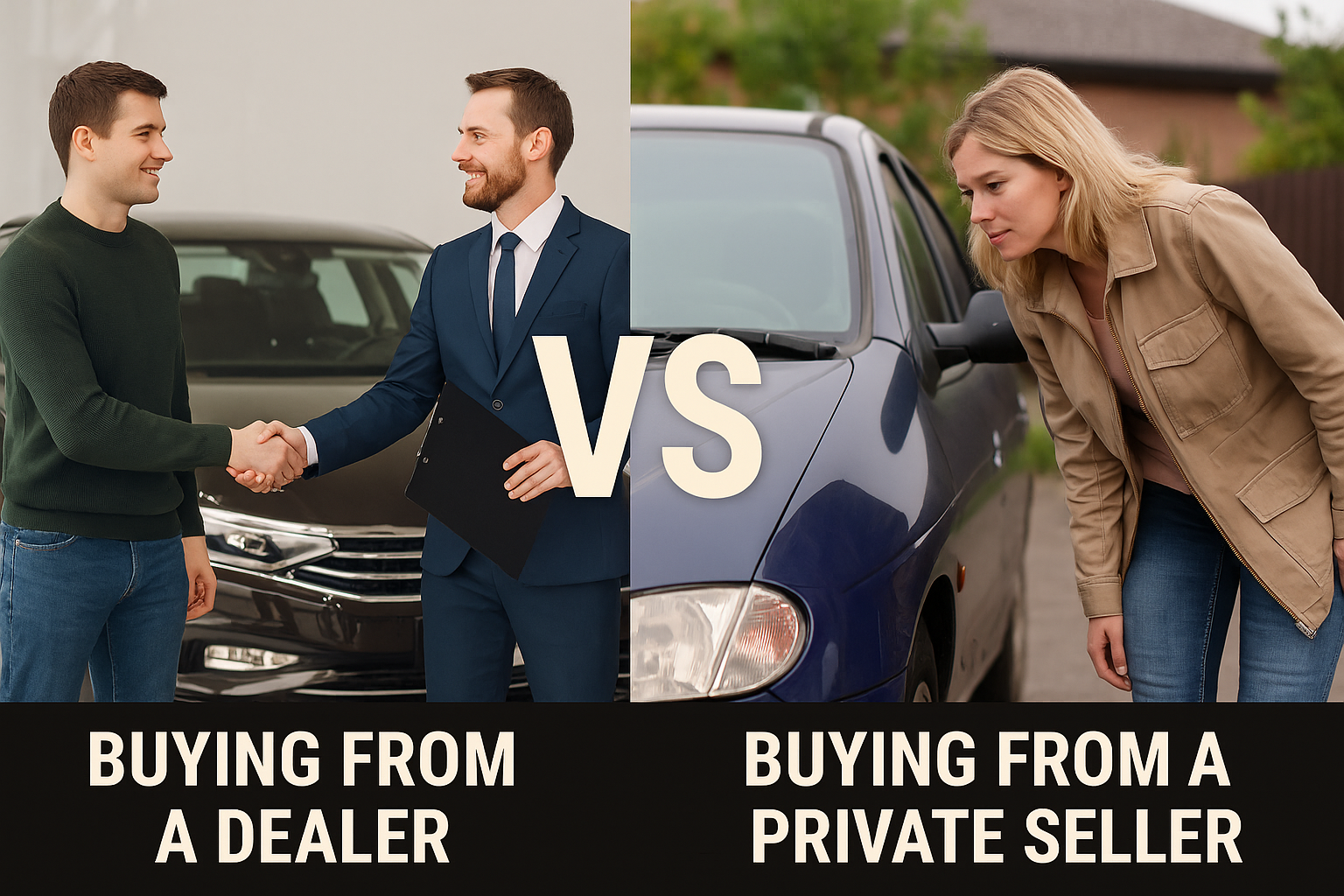
Buying a Used Car: Dealer vs. Private Seller – Which Offers Better Value?
When shopping for a used car, you face a fundamental choice: purchase from a licensed dealership or buy directly from a private seller through online listings or local ads. Each route has its pros and cons. On one hand, reputable dealers provide services like vehicle inspections, reconditioning, and limited warranties that can offer peace of mind. On the other hand, private-party sales often come with a lower price tag but greater uncertainty. How do these options compare in value and risk? Let’s break down the benefits of buying from a dealer versus the potential pitfalls of buying from a private seller. Benefits of Buying from a Reputable Dealer Buying a used car from a reputable dealership can cost a bit more upfront, but it comes with several key advantages designed to protect you as a buyer. Dealers are in the business of selling cars and stake their reputation on fair transactions and customer satisfaction. Here are some of the main benefits you get at a dealership: Thorough Inspections & Reconditioning: Dealerships typically perform multi-point inspections on used vehicles and fix any issues before putting them up for sale. Many franchise dealers offer certified pre-owned (CPO) cars that have been checked by qualified mechanics and refurbished to meet manufacturer standards, ensuring they have no undisclosed accidents or major problems iseecars.com. In fact, dealerships invest significant resources into reconditioning – around $1,000 per vehicle on average in repairs, parts, and detailing – to bring cars up to quality standards acvauctions.com. This process helps catch mechanical problems early and means you’re more likely to drive off in a car that’s in good condition. The result is added peace of mind that a private sale often can’t match. Included Warranty or Guarantee: Unlike a private sale, a dealer sale often comes with some form of warranty or buyer protection. Many dealers include a limited 30-day warranty or offer extended warranty plans on used cars. Certified pre-owned vehicles usually come with an extended manufacturer-backed warranty, such as coverage for several months or thousands of miles after purchase iseecars.com. These warranties provide a safety net if something goes wrong soon after you buy the car. Even on non-certified used cars, reputable dealers may offer short-term return or exchange policies or at least discounted service for a period of time. Having some recourse for repairs can save you money and hassle compared to a private sale where the car is typically “sold as is” with no obligations on the seller. Legal Protections & Transparency: Dealers must adhere to consumer protection laws that don’t apply to private sellers. For example, the FTC’s Used Car Rule requires dealers to display a Buyer’s Guide on each used car, disclosing whether it’s sold as-is or with a warranty, and warning buyers to get any promises in writing consumer.ftc.gov consumer.ftc.gov. It also prohibits dealers from misrepresenting a vehicle’s condition or history. Many states have “lemon laws” or warranty laws protecting consumers who buy defective used vehicles from licensed dealers revautosale.com. In contrast, a private seller typically has no legal requirement to disclose problems (beyond not committing outright fraud). Once you buy from a private party, any issues that come up are fully your responsibility. The added oversight on dealers means there’s more accountability if the car turns out to have serious hidden defects. As one industry survey noted, car buyers trust dealerships far more than private sellers (68% vs 5%) usedcarnews.com, no doubt because of these regulations and the transparency they encourage. Verified Vehicle History: Dealerships often provide a vehicle history report (like Carfax or AutoCheck) for their used cars, showing past accidents, title status, and service records. They want you to know the history is clean – no salvage title, flood damage, or undisclosed accidents – before you buy. In fact, it’s common for dealers to avoid selling cars with severe issues or to fix open safety recalls prior to sale. A private seller may or may not volunteer such information. While you can (and should) obtain a history report yourself for any car, dealers make this step easier and may have already vetted the car’s background for you. This reduces the chance of nasty surprises about the car’s past life. Convenience (Financing, Paperwork, Trade-ins): Dealerships strive to be a one-stop shop for buying a car, which adds a lot of convenience. They handle all the paperwork: title transfer, registration, and collecting sales taxes are typically managed for you revautosale.com. You’ll walk out with the car properly registered in your name, without extra trips to the DMV. Dealers also usually offer financing options on the spot – they can connect with banks or provide in-house financing to help you get a car loan. This means even if you don’t have all the cash upfront, you can still purchase the vehicle (subject to credit approval). Trade-ins are another big plus: if you have an old car, a dealer will appraise it and apply its value toward your purchase, simplifying the process of selling your previous vehicle. In a private sale, you’d have to sell your old car separately and come up with full payment on your own (often cash or a bank check). Overall, the dealer handles many transactional hassles so you don’t have to. Reputation and Professionalism: An established dealership has a reputation to uphold in the community. This means they have incentive to deal fairly, address customer concerns, and not sell bad cars – especially if they are a brand-name franchise. Salespeople at dealerships are professionals (though admittedly, some can be pushy). Reputable dealers welcome independent pre-purchase inspections by a mechanic if you request one, and many will let you test drive alone or even take the car overnight to ensure it meets your needs. The higher level of professionalism can make the buying experience more comfortable and secure for you. If any issue arises after the sale, you know where to find the dealer and can leverage their customer service or escalate complaints to authorities if needed. With a private seller, once the deal is done, they might be hard to track down or unwilling to help. It’s true that these dealership benefits come at a cost. Dealerships have overhead (staff salaries, facility costs) and need to make a profit, so their sticker prices are usually higher than private sellers’. One analysis found a used vehicle tends to cost about 12% more at a dealership than it would from a private party edmunds.com. In essence, you’re paying for the added services and peace of mind. If budget is your top priority and you’re comfortable doing extra legwork, a private sale could save you money. But for many buyers, the value of a dealer’s inspection, warranty, and safeguards outweighs the extra expense. Risks of Buying from a Private Seller The private-party route – finding a car being sold by its owner – can be attractive due to lower prices and direct negotiation. You might score a great deal buying directly from someone who needs to sell quickly. However, these potential savings come with significant risks. When you buy “for sale by owner,” you forgo the protections and services a dealer provides. Here are the main challenges and dangers to be aware of with private sellers: No Professional Inspection: Most private sellers aren’t mechanics. The car you’re considering likely has not been thoroughly inspected or reconditioned before sale. It’s essentially being sold in the condition the owner kept it. Any hidden mechanical issues may go unnoticed until after you’ve bought the car. Unfortunately, there’s no guarantee the vehicle is in good shape – it could have worn components or impending failures that aren’t obvious from a test drive. Unless you arrange for an independent mechanic to check the car prior to purchase, you run the risk of taking home a lemon. And if you do end up with a problematic car, you have no built-in recourse. As automotive experts warn, you might drive away with a lemon from a private seller and “have no legal recourse to rely on to get your money back” iseecars.com. For this reason, if you ever buy privately, it’s highly recommended to pay ~$100 for a pre-purchase inspection by a trusted mechanic – a step that’s essentially mandatory to protect yourself when no one else has inspected the vehicle. Sold “As Is,” No Warranty: Private sales are almost always as is, meaning once you pay and take the car, any problems are now your problem. The seller is not obligated to fix anything or offer any refunds if the car breaks down the next day. In many states, even if the seller wanted to, a private party can’t easily offer a warranty on a car. This lack of warranty is a major distinction from dealers, who often at least provide a short guarantee. If a critical issue surfaces after you buy from a private seller, your only options are to pay for repairs out-of-pocket or attempt to pursue the seller legally (which is difficult unless you can prove outright fraud). Consumer protection laws typically do not cover private transactions. As the Great Lakes Credit Union notes, private sellers usually don’t offer any extras or guarantees – vehicles are sold “as is”, so any unknown issue is now the buyer’s responsibility glcu.org. In short, you assume all the risk in a private sale. This is why it’s so crucial to verify the car’s condition yourself (and get everything in writing, even if it’s just a dated bill of sale noting the car is sold as is). Unknown Vehicle History: When dealing with a stranger, you don’t have the benefit of a dealer’s resources to ensure a clean history. A private seller might not disclose past accidents or repairs – in some cases because they truly don’t know the full history, and in other cases because they choose not to tell you. Alarmingly, a recent nationwide survey found that nearly 1 in 5 people who sold a car admitted it had significant unresolved mechanical problems, and about 1 in 6 sellers confessed they did not disclose those problems to the buyer usedcarnews.com. That means you could be inheriting someone else’s troubles without knowing it. Even an honest private owner may accidentally omit important details about the car’s quirks or past. It falls on you as the buyer to pull a vehicle history report by obtaining the VIN, check for any title issues or outstanding recalls, and ask plenty of questions. In online listings, information can be limited – some ads don’t even include a VIN or detailed photos edmunds.com. You may have to do detective work to get the full story. Be especially cautious of salvage titles (cars rebuilt after serious damage) being sold cheap; always check the title status. Unlike at a dealership, there’s no manager or third-party certification verifying that the car’s history is sound. Trust is a bigger leap in a private sale. Safety and Fraud Concerns: Meeting a private seller through an online marketplace comes with practical risks. You often have to arrange a meeting in person to see and test drive the car – which raises personal safety considerations (always meet in a public place, and preferably bring someone with you). Then there’s the matter of payment: private sales usually require a large sum in cash or a cashier’s check. Carrying thousands of dollars to hand over to a stranger can be risky. Scams do happen in private car sales. For example, there are cases of “curbstoning,” where unlicensed dealers pose as regular car owners to offload vehicles (sometimes ones with hidden problems or rolled-back odometers). Online classified sites can also have outright scam listings – fake ads designed to lure your money without delivering a car. According to Edmunds, when shopping person-to-person you might encounter everything from cars with salvage titles to sellers pretending to be the owner when they’re actually running a side business, or even fraudulent ads for cars that don’t exist edmunds.com. Verifying that the seller is the legitimate owner (check the name on the title and ID) and that the car actually matches its advertisement is crucial. In a dealership environment, these concerns are minimal – you’re dealing with a licensed business at a fixed location. With a private sale, you have to exercise much more caution to avoid scams or unsafe situations. No After-Sale Support or Recourse: Once the deal is done with a private party, you typically have no further support. The seller isn’t going to provide free repairs or help you if you have issues registering the car. If you discover a serious defect or the car fails an emission test, the private seller may simply shrug – it’s now your problem. Your recourse is very limited: short of proving deliberate fraud or misrepresentation (which can be a legal headache), you’re stuck. In contrast, a dealership might have a customer service department to address complaints or at least a manager who wants to preserve the dealership’s reputation. For example, if a major issue appears right after purchase, some dealers will work with you on a solution (especially if you threaten to leave a bad review or involve the state attorney general). With a private seller, you don’t have leverage after the sale is complete. Essentially, it’s “buyer beware.” You need to be confident in the car’s condition because you likely won’t be able to undo the deal. It’s not all doom and gloom with private sales – many people successfully buy cars from private owners and get a good vehicle at a lower price. The chief advantage of private sales is cost savings. Since private sellers don’t have overhead or middleman costs, their asking prices are often lower. Data shows you might pay around 10–15% less buying from a private party than from a dealer for a similar car edmunds.com. There’s also often more room for negotiation; a private seller may be willing to take a lower offer, especially if they need to sell quickly. If you are mechanically savvy or willing to invest the time to vet a car’s condition, you can find a bargain. Just recognize that those savings are essentially your compensation for taking on more risk and responsibility. You’ll need to do your homework — always inspect the car (or have it inspected), verify the title and history, and be vigilant about the transaction’s safety. Making the Right Choice So, should you buy your next used car from a dealer or a private seller? The answer depends on what you value most and your individual comfort level with risk. Choose a reputable dealer if you prioritize peace of mind, convenience, and protection. You’ll likely pay a bit more for the car, but in return you get a vehicle that’s been professionally vetted and serviced, some warranty coverage or legal protections, and a smoother purchasing process (with financing and paperwork handled for you). This route is ideal if you’re not a car expert or don’t want to gamble on a vehicle’s condition. The dealer’s reputation is on the line, so there’s an incentive to sell reliable cars. Especially for newer used cars or higher-end models, the dealer-certified option can be worth the premium for the added quality assurance acvauctions.com. As one survey highlighted, buyers are even willing to pay extra for transparency – 94% said knowing a used car passed a rigorous diagnostic test would influence their decision usedcarnews.com. Dealers cater to this by providing inspections and reports that private sellers typically do not. On the other hand, consider a private-party purchase if upfront price is your primary concern and you don’t mind doing due diligence yourself. You can sometimes find great deals from private sellers, and some owners keep their cars in excellent shape and have all maintenance records to prove it. If you go this route, be prepared to act as your own “dealership.” This means vetting the car thoroughly (get a mechanic’s inspection, run a history report), handling the paperwork at the DMV, and arranging secure payment. Your risk tolerance should be high enough to accept that if something goes wrong, you’ll be on your own. It’s wise to only buy privately if you have confidence in evaluating a car’s condition or can bring along someone who does. In short, you can save money buying from an owner, but you assume much more responsibility for ensuring the car is a good one. For most everyday shoppers, the value in a dealer purchase lies in the reduced risk and added services. As the old saying goes, “you get what you pay for.” The dealer’s inspection, repairs, warranty, and consumer protections are built into the price of the car. If those features align with your needs – for example, you want a reliable commuter with minimal hassle – then a dealership is likely the better choice. If you’re a bargain-hunter who is confident in your car knowledge, a private sale might pay off, but go in with eyes wide open. Bottom line: Weigh the cost savings versus the safeguards. A used car is a significant investment, and saving a few bucks isn’t worth it if you end up with unexpected repair bills or buyer’s remorse. By understanding the differences outlined above, you can make an informed decision that suits your budget and your peace of mind. Whether you buy from a dealer or a private party, always do your research on the vehicle, take it for a thorough test drive, and trust your instincts. With the right preparation, you’ll drive away in a used car that’s the right fit — and a great value — for you. edmunds.com usedcarnews.com