




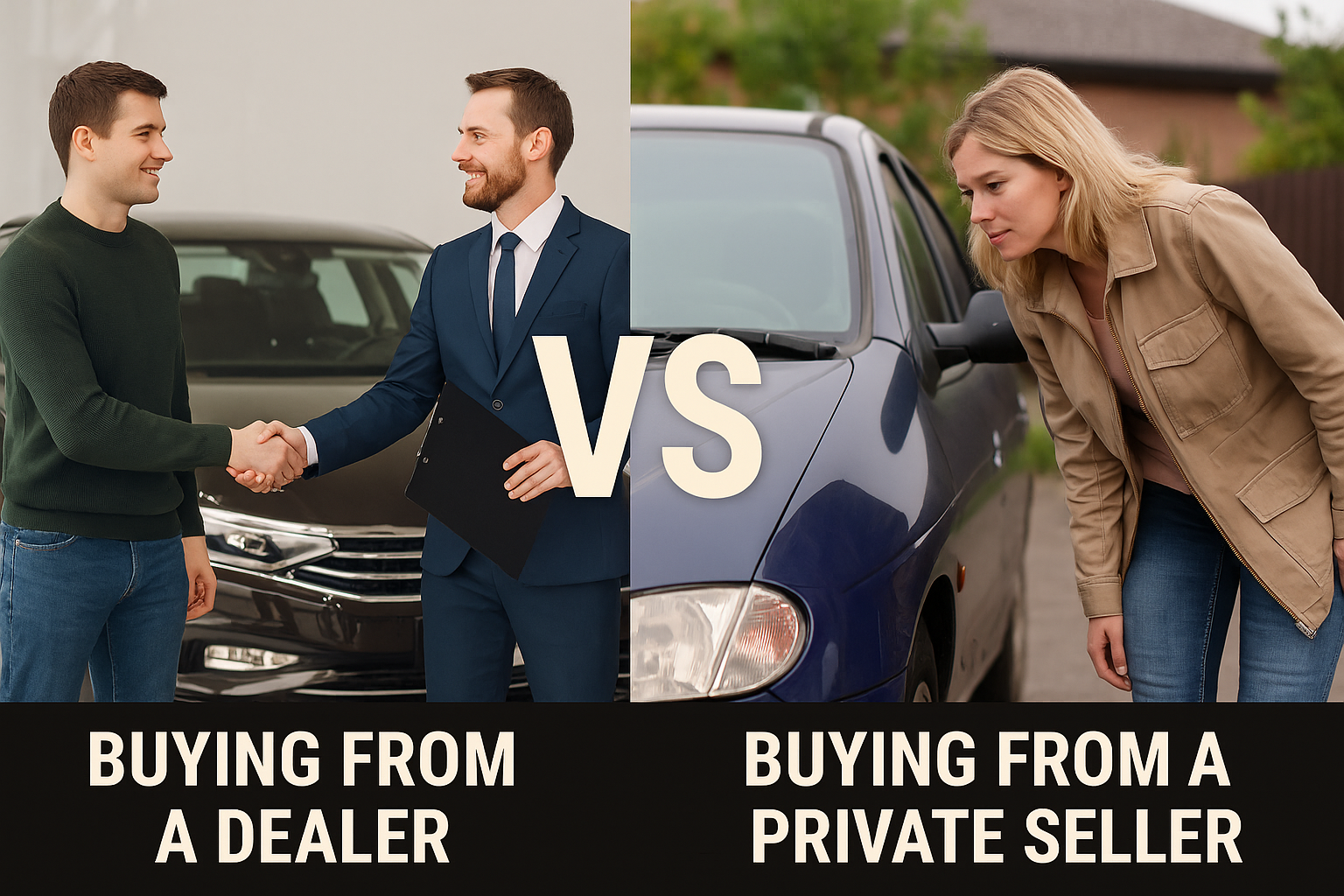
When shopping for a used car, you face a fundamental choice: purchase from a licensed dealership or buy directly from a private seller through online listings or local ads. Each route has its pros and cons. On one hand, reputable dealers provide services like vehicle inspections, reconditioning, and limited warranties that can offer peace of mind. On the other hand, private-party sales often come with a lower price tag but greater uncertainty. How do these options compare in value and risk? Let’s break down the benefits of buying from a dealer versus the potential pitfalls of buying from a private seller.
Benefits of Buying from a Reputable Dealer
Buying a used car from a reputable dealership can cost a bit more upfront, but it comes with several key advantages designed to protect you as a buyer. Dealers are in the business of selling cars and stake their reputation on fair transactions and customer satisfaction. Here are some of the main benefits you get at a dealership:
- Thorough Inspections & Reconditioning: Dealerships typically perform multi-point inspections on used vehicles and fix any issues before putting them up for sale. Many franchise dealers offer certified pre-owned (CPO) cars that have been checked by qualified mechanics and refurbished to meet manufacturer standards, ensuring they have no undisclosed accidents or major problemsiseecars.com. In fact, dealerships invest significant resources into reconditioning – around $1,000 per vehicle on average in repairs, parts, and detailing – to bring cars up to quality standardsacvauctions.com. This process helps catch mechanical problems early and means you’re more likely to drive off in a car that’s in good condition. The result is added peace of mind that a private sale often can’t match.
- Included Warranty or Guarantee: Unlike a private sale, a dealer sale often comes with some form of warranty or buyer protection. Many dealers include a limited 30-day warranty or offer extended warranty plans on used cars. Certified pre-owned vehicles usually come with an extended manufacturer-backed warranty, such as coverage for several months or thousands of miles after purchaseiseecars.com. These warranties provide a safety net if something goes wrong soon after you buy the car. Even on non-certified used cars, reputable dealers may offer short-term return or exchange policies or at least discounted service for a period of time. Having some recourse for repairs can save you money and hassle compared to a private sale where the car is typically “sold as is” with no obligations on the seller.
- Legal Protections & Transparency: Dealers must adhere to consumer protection laws that don’t apply to private sellers. For example, the FTC’s Used Car Rule requires dealers to display a Buyer’s Guide on each used car, disclosing whether it’s sold as-is or with a warranty, and warning buyers to get any promises in writingconsumer.ftc.govconsumer.ftc.gov. It also prohibits dealers from misrepresenting a vehicle’s condition or history. Many states have “lemon laws” or warranty laws protecting consumers who buy defective used vehicles from licensed dealersrevautosale.com. In contrast, a private seller typically has no legal requirement to disclose problems (beyond not committing outright fraud). Once you buy from a private party, any issues that come up are fully your responsibility. The added oversight on dealers means there’s more accountability if the car turns out to have serious hidden defects. As one industry survey noted, car buyers trust dealerships far more than private sellers (68% vs 5%)usedcarnews.com, no doubt because of these regulations and the transparency they encourage.
- Verified Vehicle History: Dealerships often provide a vehicle history report (like Carfax or AutoCheck) for their used cars, showing past accidents, title status, and service records. They want you to know the history is clean – no salvage title, flood damage, or undisclosed accidents – before you buy. In fact, it’s common for dealers to avoid selling cars with severe issues or to fix open safety recalls prior to sale. A private seller may or may not volunteer such information. While you can (and should) obtain a history report yourself for any car, dealers make this step easier and may have already vetted the car’s background for you. This reduces the chance of nasty surprises about the car’s past life.
- Convenience (Financing, Paperwork, Trade-ins): Dealerships strive to be a one-stop shop for buying a car, which adds a lot of convenience. They handle all the paperwork: title transfer, registration, and collecting sales taxes are typically managed for yourevautosale.com. You’ll walk out with the car properly registered in your name, without extra trips to the DMV. Dealers also usually offer financing options on the spot – they can connect with banks or provide in-house financing to help you get a car loan. This means even if you don’t have all the cash upfront, you can still purchase the vehicle (subject to credit approval). Trade-ins are another big plus: if you have an old car, a dealer will appraise it and apply its value toward your purchase, simplifying the process of selling your previous vehicle. In a private sale, you’d have to sell your old car separately and come up with full payment on your own (often cash or a bank check). Overall, the dealer handles many transactional hassles so you don’t have to.
- Reputation and Professionalism: An established dealership has a reputation to uphold in the community. This means they have incentive to deal fairly, address customer concerns, and not sell bad cars – especially if they are a brand-name franchise. Salespeople at dealerships are professionals (though admittedly, some can be pushy). Reputable dealers welcome independent pre-purchase inspections by a mechanic if you request one, and many will let you test drive alone or even take the car overnight to ensure it meets your needs. The higher level of professionalism can make the buying experience more comfortable and secure for you. If any issue arises after the sale, you know where to find the dealer and can leverage their customer service or escalate complaints to authorities if needed. With a private seller, once the deal is done, they might be hard to track down or unwilling to help.
It’s true that these dealership benefits come at a cost. Dealerships have overhead (staff salaries, facility costs) and need to make a profit, so their sticker prices are usually higher than private sellers’. One analysis found a used vehicle tends to cost about 12% more at a dealership than it would from a private partyedmunds.com. In essence, you’re paying for the added services and peace of mind. If budget is your top priority and you’re comfortable doing extra legwork, a private sale could save you money. But for many buyers, the value of a dealer’s inspection, warranty, and safeguards outweighs the extra expense.
Risks of Buying from a Private Seller
The private-party route – finding a car being sold by its owner – can be attractive due to lower prices and direct negotiation. You might score a great deal buying directly from someone who needs to sell quickly. However, these potential savings come with significant risks. When you buy “for sale by owner,” you forgo the protections and services a dealer provides. Here are the main challenges and dangers to be aware of with private sellers:
- No Professional Inspection: Most private sellers aren’t mechanics. The car you’re considering likely has not been thoroughly inspected or reconditioned before sale. It’s essentially being sold in the condition the owner kept it. Any hidden mechanical issues may go unnoticed until after you’ve bought the car. Unfortunately, there’s no guarantee the vehicle is in good shape – it could have worn components or impending failures that aren’t obvious from a test drive. Unless you arrange for an independent mechanic to check the car prior to purchase, you run the risk of taking home a lemon. And if you do end up with a problematic car, you have no built-in recourse. As automotive experts warn, you might drive away with a lemon from a private seller and “have no legal recourse to rely on to get your money back”iseecars.com. For this reason, if you ever buy privately, it’s highly recommended to pay ~$100 for a pre-purchase inspection by a trusted mechanic – a step that’s essentially mandatory to protect yourself when no one else has inspected the vehicle.
- Sold “As Is,” No Warranty: Private sales are almost always as is, meaning once you pay and take the car, any problems are now your problem. The seller is not obligated to fix anything or offer any refunds if the car breaks down the next day. In many states, even if the seller wanted to, a private party can’t easily offer a warranty on a car. This lack of warranty is a major distinction from dealers, who often at least provide a short guarantee. If a critical issue surfaces after you buy from a private seller, your only options are to pay for repairs out-of-pocket or attempt to pursue the seller legally (which is difficult unless you can prove outright fraud). Consumer protection laws typically do not cover private transactions. As the Great Lakes Credit Union notes, private sellers usually don’t offer any extras or guarantees – vehicles are sold “as is”, so any unknown issue is now the buyer’s responsibilityglcu.org. In short, you assume all the risk in a private sale. This is why it’s so crucial to verify the car’s condition yourself (and get everything in writing, even if it’s just a dated bill of sale noting the car is sold as is).
- Unknown Vehicle History: When dealing with a stranger, you don’t have the benefit of a dealer’s resources to ensure a clean history. A private seller might not disclose past accidents or repairs – in some cases because they truly don’t know the full history, and in other cases because they choose not to tell you. Alarmingly, a recent nationwide survey found that nearly 1 in 5 people who sold a car admitted it had significant unresolved mechanical problems, and about 1 in 6 sellers confessed they did not disclose those problems to the buyerusedcarnews.com. That means you could be inheriting someone else’s troubles without knowing it. Even an honest private owner may accidentally omit important details about the car’s quirks or past. It falls on you as the buyer to pull a vehicle history report by obtaining the VIN, check for any title issues or outstanding recalls, and ask plenty of questions. In online listings, information can be limited – some ads don’t even include a VIN or detailed photosedmunds.com. You may have to do detective work to get the full story. Be especially cautious of salvage titles (cars rebuilt after serious damage) being sold cheap; always check the title status. Unlike at a dealership, there’s no manager or third-party certification verifying that the car’s history is sound. Trust is a bigger leap in a private sale.
- Safety and Fraud Concerns: Meeting a private seller through an online marketplace comes with practical risks. You often have to arrange a meeting in person to see and test drive the car – which raises personal safety considerations (always meet in a public place, and preferably bring someone with you). Then there’s the matter of payment: private sales usually require a large sum in cash or a cashier’s check. Carrying thousands of dollars to hand over to a stranger can be risky. Scams do happen in private car sales. For example, there are cases of “curbstoning,” where unlicensed dealers pose as regular car owners to offload vehicles (sometimes ones with hidden problems or rolled-back odometers). Online classified sites can also have outright scam listings – fake ads designed to lure your money without delivering a car. According to Edmunds, when shopping person-to-person you might encounter everything from cars with salvage titles to sellers pretending to be the owner when they’re actually running a side business, or even fraudulent ads for cars that don’t existedmunds.com. Verifying that the seller is the legitimate owner (check the name on the title and ID) and that the car actually matches its advertisement is crucial. In a dealership environment, these concerns are minimal – you’re dealing with a licensed business at a fixed location. With a private sale, you have to exercise much more caution to avoid scams or unsafe situations.
- No After-Sale Support or Recourse: Once the deal is done with a private party, you typically have no further support. The seller isn’t going to provide free repairs or help you if you have issues registering the car. If you discover a serious defect or the car fails an emission test, the private seller may simply shrug – it’s now your problem. Your recourse is very limited: short of proving deliberate fraud or misrepresentation (which can be a legal headache), you’re stuck. In contrast, a dealership might have a customer service department to address complaints or at least a manager who wants to preserve the dealership’s reputation. For example, if a major issue appears right after purchase, some dealers will work with you on a solution (especially if you threaten to leave a bad review or involve the state attorney general). With a private seller, you don’t have leverage after the sale is complete. Essentially, it’s “buyer beware.” You need to be confident in the car’s condition because you likely won’t be able to undo the deal.
It’s not all doom and gloom with private sales – many people successfully buy cars from private owners and get a good vehicle at a lower price. The chief advantage of private sales is cost savings. Since private sellers don’t have overhead or middleman costs, their asking prices are often lower. Data shows you might pay around 10–15% less buying from a private party than from a dealer for a similar caredmunds.com. There’s also often more room for negotiation; a private seller may be willing to take a lower offer, especially if they need to sell quickly. If you are mechanically savvy or willing to invest the time to vet a car’s condition, you can find a bargain. Just recognize that those savings are essentially your compensation for taking on more risk and responsibility. You’ll need to do your homework — always inspect the car (or have it inspected), verify the title and history, and be vigilant about the transaction’s safety.
Making the Right Choice
So, should you buy your next used car from a dealer or a private seller? The answer depends on what you value most and your individual comfort level with risk.
Choose a reputable dealer if you prioritize peace of mind, convenience, and protection. You’ll likely pay a bit more for the car, but in return you get a vehicle that’s been professionally vetted and serviced, some warranty coverage or legal protections, and a smoother purchasing process (with financing and paperwork handled for you). This route is ideal if you’re not a car expert or don’t want to gamble on a vehicle’s condition. The dealer’s reputation is on the line, so there’s an incentive to sell reliable cars. Especially for newer used cars or higher-end models, the dealer-certified option can be worth the premium for the added quality assuranceacvauctions.com. As one survey highlighted, buyers are even willing to pay extra for transparency – 94% said knowing a used car passed a rigorous diagnostic test would influence their decisionusedcarnews.com. Dealers cater to this by providing inspections and reports that private sellers typically do not.
On the other hand, consider a private-party purchase if upfront price is your primary concern and you don’t mind doing due diligence yourself. You can sometimes find great deals from private sellers, and some owners keep their cars in excellent shape and have all maintenance records to prove it. If you go this route, be prepared to act as your own “dealership.” This means vetting the car thoroughly (get a mechanic’s inspection, run a history report), handling the paperwork at the DMV, and arranging secure payment. Your risk tolerance should be high enough to accept that if something goes wrong, you’ll be on your own. It’s wise to only buy privately if you have confidence in evaluating a car’s condition or can bring along someone who does. In short, you can save money buying from an owner, but you assume much more responsibility for ensuring the car is a good one.
For most everyday shoppers, the value in a dealer purchase lies in the reduced risk and added services. As the old saying goes, “you get what you pay for.” The dealer’s inspection, repairs, warranty, and consumer protections are built into the price of the car. If those features align with your needs – for example, you want a reliable commuter with minimal hassle – then a dealership is likely the better choice. If you’re a bargain-hunter who is confident in your car knowledge, a private sale might pay off, but go in with eyes wide open.
Bottom line: Weigh the cost savings versus the safeguards. A used car is a significant investment, and saving a few bucks isn’t worth it if you end up with unexpected repair bills or buyer’s remorse. By understanding the differences outlined above, you can make an informed decision that suits your budget and your peace of mind. Whether you buy from a dealer or a private party, always do your research on the vehicle, take it for a thorough test drive, and trust your instincts. With the right preparation, you’ll drive away in a used car that’s the right fit — and a great value — for you. edmunds.comusedcarnews.com